The Netflix series House of Ninjas is a fun throwback to the ninja-sploitation craze of the video rental era, when most Blockbuster and Hollywood Video stores had an entire section devoted to sword-wielding, kung-fu assassins who skulk around at night wearing footie pajamas and masks. Thankfully, in doing so, the show maintains a generally light and playful tone, and doesn’t try to put too much of a dark or revisionist modern spin the material.
House of Ninjas trailer (English)- Click here
Despite being filmed in Japan with a Japanese cast speaking entirely Japanese dialogue, the series is actually the creation of American filmmaker Dave Boyle, known primarily for the 2014 thriller Man from Reno. While Boyle takes a respectful approach toward the subject and the culture, his influences seem to be heavily biased toward B-movies and comic books, and I have to wonder if the show plays differently for an actual Japanese audience than it does for a gaijin like me.
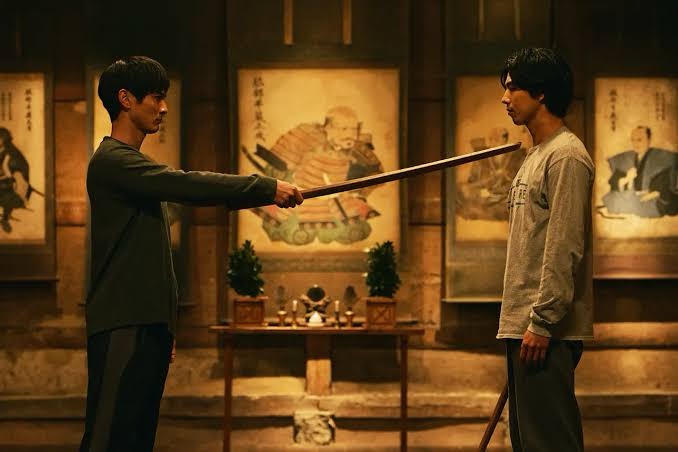
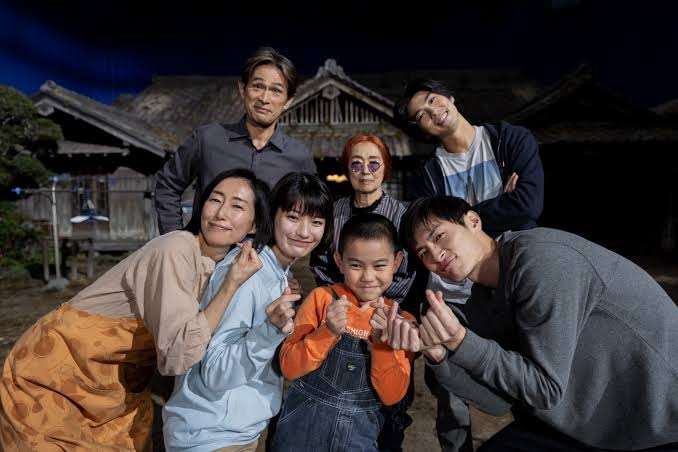
The story centers on the Tawara family, on the surface a seemingly average middle-class household faced with the sort of everyday problems most people can relate to – rebellious kids, relationship issues, parents struggling to keep their business afloat, and so forth. However, unbeknownst to all but a select few, the Tawaras are also secretly a clan of crime-fighting ninjas – or, to use the proper term, shinobi – descended from the legendary Hattori Hanzō, who operate in the shadows to defend Japan from specialized threats that traditional law enforcement cannot handle. If they do their jobs well, no one should ever know they exist or that anything happened. As far as the general public is aware, ninjas died out centuries ago.
Six years earlier, eldest son Gaku was killed during a mission to rescue a politician kidnapped by evil ninjas from the rival Fuma Clan. The family has yet to fully recover from that loss. Surviving son Haru (Kento Kaku) feels not only that he needs to fill his brother’s shoes, but that he may have been responsible for Gaku’s death. Without the others knowing, teenage sister Nagi (Aju Makita) has been acting out by posing as a bandit called the “Rob-and-Return Thief,” stealing historical artifacts from museums only to replace them a few days later right under the noses of police watching for her. Meanwhile, father Souichi (Yôsuke Eguchi) wants the whole family to retire from ninja heroics, but mother Yoko (Tae Kimura) may not be on board with that plan.
When a boat is discovered full of dead bodies all poisoned by a mysterious neurotoxin, connections lead Haru to investigate a shady religious cult, which quickly points to the return of the Fuma Clan with a new evil plot to terrorize Japan. Foiling that will require the family to overcome their petty dysfunctions and personal squabbles to suit up, fight together just like old times, and save the country.
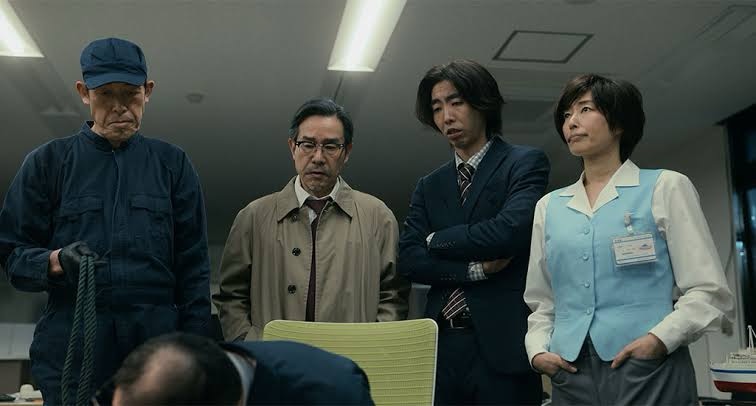
With plenty of death, murder, violence, and occasional heavy themes including loss and grief, House of Ninjas isn’t exactly a comedy. Nevertheless, the show is rarely burdened by the sort of ultra-grim and morose tone that characterizes so much prestige TV in the modern age. Right from the silly title, the show doesn’t take itself entirely seriously. If not based on an actual comic book, the series adopts the flavor of one, with goofy concepts including the existence of a government-run Bureau of Ninja Management that oversees the secret war between good ninjas and bad ninjas in Japan. Episodes also frequently include a number of broad comedic elements, such as the Tawara family’s grandmother kicking ass as an elderly ninja, or the Bureau’s over-the-top dorky IT guy.
Not all of the storylines over the course of the first season work. Grumpy dad Souichi’s insistence on focusing on the family’s brewery business is kind of a drag, and a long plot thread where he believes his wife is cheating on him (when she’s really doing secret spy stuff without him) even though he’s eager to have an emotional affair with another woman, is a bunch of dumb filler nonsense that should have been cut. Most episodes are also fairly light on the ninja fighting action, and I wish there were more of it. Regardless, the eight-episode season goes down quickly. House of Ninjas functions great as a breezy and entertaining palate cleanser between weightier shows. That sort of thing has value.
 Beyond the Cinema's