Huma Qureshi once again anchors the series with a strong, compelling performance as Rani Bharti, a character who has evolved from an uneducated homemaker to a major political player.

It continues the intense political journey of Rani Bharti, portrayed powerfully by Huma Qureshi, as she rises from being a homemaker in Bihar to a dominant force in Indian politics. This season broadens its canvas beyond regional politics, taking the story to Delhi’s national stage, where Rani faces new political alliances, betrayals, and moral dilemmas. The transition not only raises the stakes but also adds a fresh layer to the narrative, exploring how power shifts when personal conviction clashes with political ambition.
One of the strongest elements of the show remains Huma Qureshi’s commanding performance. She brings remarkable depth to Rani Bharti—her transformation from a naive village woman to a shrewd political strategist feels authentic and emotionally grounded. Qureshi’s portrayal of Rani’s internal conflict—balancing her integrity, motherhood, and political survival—is what gives the show its emotional backbone. The supporting cast also delivers commendable performances, especially Amit Sial, Sohum Shah, and Vipin Sharma, who bring complexity to their respective roles and help sustain the tension throughout the series.
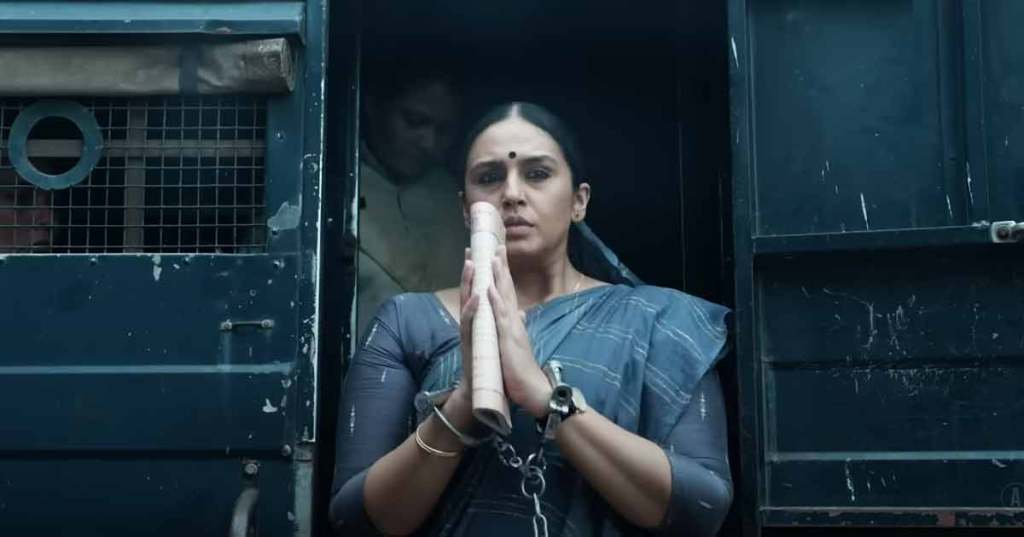
The writing this season is sharper in parts, with several standout dialogues that reflect the gritty realities of Indian politics. The show continues to capture the rustic tone and political chaos that made the earlier seasons compelling. The cinematography effectively blends Bihar’s earthy textures with Delhi’s power corridors, giving the story a contrasting yet cohesive visual appeal. The use of traditional Indian music and local dialects adds authenticity and immerses viewers in the socio-political environment the series aims to portray.
However, the show isn’t without its flaws. The pacing feels inconsistent—some episodes flow brilliantly, while others drag with repetitive political manoeuvring or subplots that fail to add real value. The expanded scope, while ambitious, also dilutes some of the raw intensity that made the earlier seasons stand out. Certain new characters and storylines feel underdeveloped, and the narrative sometimes loses focus when trying to balance personal drama with political intrigue.
Despite these shortcomings, Maharani Season 4 succeeds in keeping the audience invested. It highlights the cost of ambition, the loneliness of power, and the compromises one must make to survive in politics. What stands out is how the show humanizes Rani Bharti—she’s no longer just a symbol of female empowerment but a flawed, determined individual navigating a world dominated by ego and greed. The emotional moments between Rani and her family bring warmth to an otherwise hard-edged story.
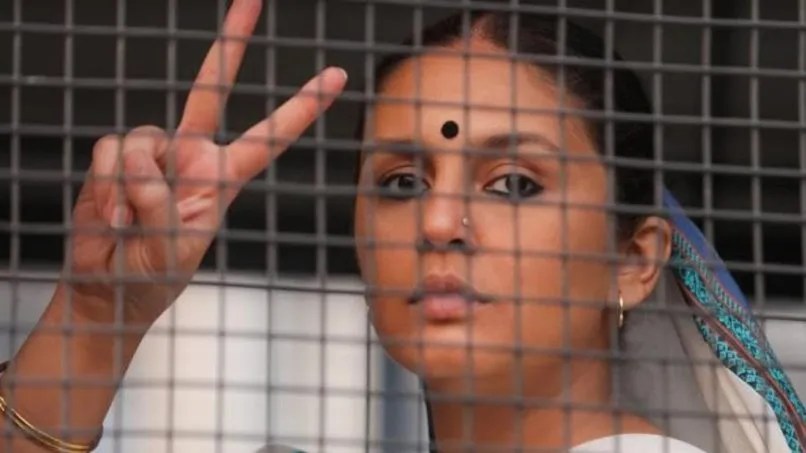
In conclusion, Maharani Season 4 is a gripping continuation of an already powerful saga. It might not reach the heights of its first season, but it remains engaging, socially relevant, and anchored by one of Huma Qureshi’s best performances. The series reminds us why Maharani remains one of the most important political dramas in Indian OTT realistic, emotional, and thought-provoking.
⭐ Rating: 3.5/5 — Strong performances, solid writing, but slightly stretched pacing.
 Beyond the Cinema's