‘Four More Shots Please!,’ Season 4 directed by Arunima Sharma and Neha Parti Matiyani, began streaming on Prime Video and stars Kirti Kulhari, Sayani Gupta, Bani J, Maanvi Gagroo, and Dino Morea. A familiar ending that plays it safe.
The final season of Four More Shots Please comes across largely as padding, seemingly motivated more by the show’s popularity than by a compelling creative vision. Spread across seven episodes, it is preoccupied with neatly wrapping up loose threads instead of driving the story in any purposeful direction. While the series retains its candid tone and glossy aesthetic, the performances remain its strongest asset something the writing fails to match. Drawing loosely from the Sex and the City template, the show has its sporadic moments, but it rarely sustains an engaging narrative. Its lightweight, frivolous approach is hard to miss, and it only truly resonates when it embraces blunt, no-filter conversations, often leaning on familiarity over freshness. In the end, it opts for convenient, feel-good resolutions, handing out happy endings all around.
The final season opens with Siddhi’s (Maanvi Gagroo) marriage to Mihir, a union that quickly reveals the less glamorous side of married life. Anjana Menon (Kirti Kulhari) is comfortable being single, with her world now centered around her daughter and her work. Her life takes a turn when she meets Rohan (Dino Morea), a holiday planner who works next door, leading to a swift romance that unfolds without much resistance. Umang (Bani J), battling loneliness, is forced by a gym client to try online dating. While she meets several people, she finds herself drawn to Shai, an investor in her gym. Damini (Sayani Gupta) launches her own podcast with help from her brother Ash (Kunaal Roy Kapoor), who moves in after separating from his wife, Piyali. When Umang receives an invitation to Samara’s (Lisa Ray) wedding in Goa, the group travels together, giving Damini a chance to reconnect with Jeh (Prateik Babbar), and the series another familiar backdrop. Frivolity over substance.
The final season opens with Siddhi’s (Maanvi Gagroo) marriage to Mihir, a union that quickly reveals the less glamorous side of married life. Anjana Menon (Kirti Kulhari) is comfortable being single, with her world now centered around her daughter and her work. Her life takes a turn when she meets Rohan (Dino Morea), a holiday planner who works next door, leading to a swift romance that unfolds without much resistance. Umang (Bani J), battling loneliness, is forced by a gym client to try online dating. While she meets several people, she finds herself drawn to Shai, an investor in her gym. Damini (Sayani Gupta) launches her own podcast with help from her brother Ash (Kunaal Roy Kapoor), who moves in after separating from his wife, Piyali. When Umang receives an invitation to Samara’s (Lisa Ray) wedding in Goa, the group travels together, giving Damini a chance to reconnect with Jeh (Prateik Babbar), and the series another familiar backdrop. Frivolity over substance.
With seven episodes running at roughly 30 minutes each, the season largely skims the surface, focusing on romance, lifestyle choices, and emotional restlessness. The show never intends to be serious, but this constant lightness eventually works against it. Fun remains central, yet it grows repetitive over time. The series needed sharper conversations and deeper exchanges between its characters, especially at this concluding stage. Many of the emotional struggles hinted at earlier are softened or brushed aside, costing the narrative a clear direction. Not everything needs to be wrapped in humour. The relationship between Siddhi and Mihir, in particular, could have been explored with greater depth and emotional friction. Performances make it watchable.
The performances, however, keep the series afloat. All four lead actors deliver convincing turns. Kirti Kulhari stands out as Anjana Menon, portraying a committed lawyer and single mother with quiet authority and restraint. Sayani Gupta brings ease and depth to Damini Rizvi Roy, especially in scenes shared with her brother, which feel relatable and honest. Bani J makes Umang’s vulnerability and search for love feel genuine without overplaying it. This season places the spotlight on Maanvi Gagroo’s Siddhi, tracing her journey from marriage to separation and eventual reconciliation. Gagroo matches her co-stars with a natural, understated performance that anchors the season emotionally. Apparently, it’s Kunaal Kapoor Roy as Ash, Damini’s brother, who manages to steal the limelight.
Ultimately, ‘Four More Shots Please’ ends as a casual, refreshing but a predictable watch. Its primary aim seems to be giving every character a neatly packaged, positive ending. The return of Milind Soman and Prateik Babbar serves that purpose more than adding narrative weight. By the end, the series remains a glossy, frivolous look at the lives of four affluent women. It chooses comfort over conflict and closure over complexity. As a finale, it feels safe, predictable, and emotionally light. For a show that once hinted at deeper emotional terrain, it settles for familiarity rather than taking a final leap.
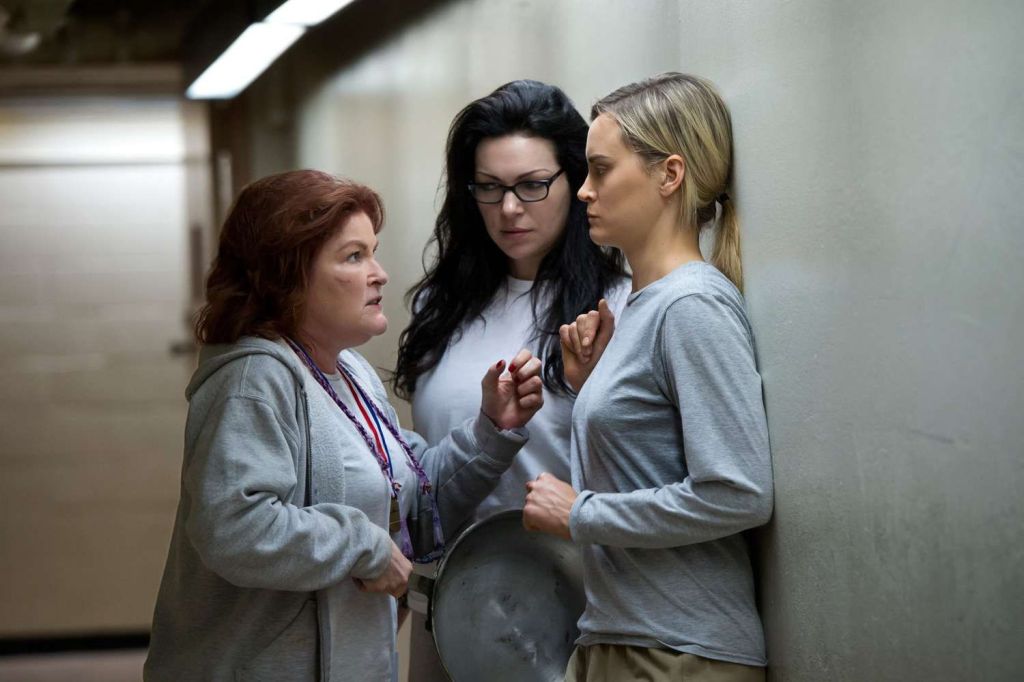
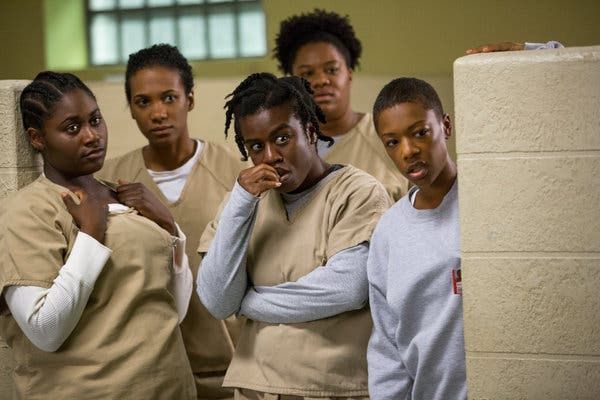
Orange is the new Black (2013-2019) is a popular seven-season television show that is available for streaming on Netflix.
Orange is the New Black (2013-2019), created by Jenji Kohan, is a popular seven-season show on Netflix. Each season contains 13 episodes that are approximately an hour long, making this a very bingeable series.
The series was an adaptation of a book on Piper Kerman’s memoir Orange Is the New Black: My Year in a Women’s Prison (2010) while she was serving her time on FCI, Danbury, a minimum security prison. It was one of the most important events in the Netflix’s short history after which this company just took off. It is also the most streamed original series in the Netflix.
I have been watching the show for the first time, and I am currently two episodes shy of finishing the entire series. Despite speculation from die-hard fans, there are no official plans to produce an eighth season of the show.
It is impossible to watch this show without noticing the representation of race and privilege in society. Since the show’s release, many viewers have found the show offensive because of racial stereotypes and misrepresentation of characters in various situations, which I feel is important to note before diving further in.
The show follows the main character, a white woman from an upper-middle-class family, as she spends 18 months in prison for a drug-related crime. As she is placed in various prisons, we see many other side characters and their storylines within the prison system.
The show openly represents race; in many cases, the prison is divided by race, and drama often arises because the two characters are of different races. Viewers often find the separation offensive and unrealistic to how prison truly operates, a problem I have also recognized but cannot speak on because I have never been inside a prison.
A critique that I do have of the show is its representation of negative stereotypes across different races and religions. An accurate example of this is the show’s constant portrayal of “aggressive” black characters or group scenarios. Multiple white characters consistently commit acts of violence, yet they are not labeled aggressive. Black characters who commit one act of violence or aggression receive the label and are stuck with it for the entirety of their plotline, even if the rest of their actions are peaceful or in an attempt to cause less drama.
Like many shows I have watched, the last few seasons are structurally worse than the beginning. The growing number of plot holes and the elimination of some of my favorite characters led to my disinterest in any newly introduced characters.
One plotline that particularly bothers me is the introduction of a character’s secret bunker she built inside an abandoned pool. Before season five, there was no mention of a pool nor an explanation of how she created this bunker for years without getting caught.
Even though this particular prison has minimum security, an inmate can’t create an intricate bunker for over a decade without an officer or employee noticing. Even supply closets within the prison are closely monitored and included in checks.
After watching OITNB, I came to know about the situation of the prisons, prisoners and how they are perceived by the people who are there to care for them. Not only the comedy and drama between the prisoners but the interwoven relations between the prisoners with their guards and also between guards and their employers. The volatile relationships between all the protagonists show how real they are. There are times when they care for each other, there are some when they just isolate themselves from others while there was also a time when all united for a common objective.
Initially, it was kept in the genre of comedy but in the latter seasons, it can be said a dramedy; a mixture of drama and comedy. There are moments when you shed a tear while watching it and there are also times when you can’t help but smile. It has ups and downs, thrills and cliffhangers that would make you sit the whole night up and watch until you finish the season. The seventh season is the saddest of the bunch because they had to end it. So, this had low doses of fun and higher doses of sadness which made you choke up. However, season 5 may be the best among all because it was when the series had to upgrade itself. Everything happened because of it and when I think of the this season, the most emotional episode I ever watched happened in one of the final episodes but I cannot grasp it now.
This program encapsulates the love between characters, rivalry for the leadership not just of their crew but also the workplace which brings poor decision making by some but because of their love for their work, there are also times when this brings the best out of them and not only that they worked to get rid of their common enemy too which is really powerful when you realize they do not have anything in common.
This is going to be one of the, if not the, most engrossing, awesome and influential TV series of all time. The whole cast is so talented and you can just enjoy their chemistry with each other with no bad feeling. The recurring casts are also very complementary with such nice backgrounds and flashbacks.
You won’t regret it but I will go as far to say that you will learn something new from all!
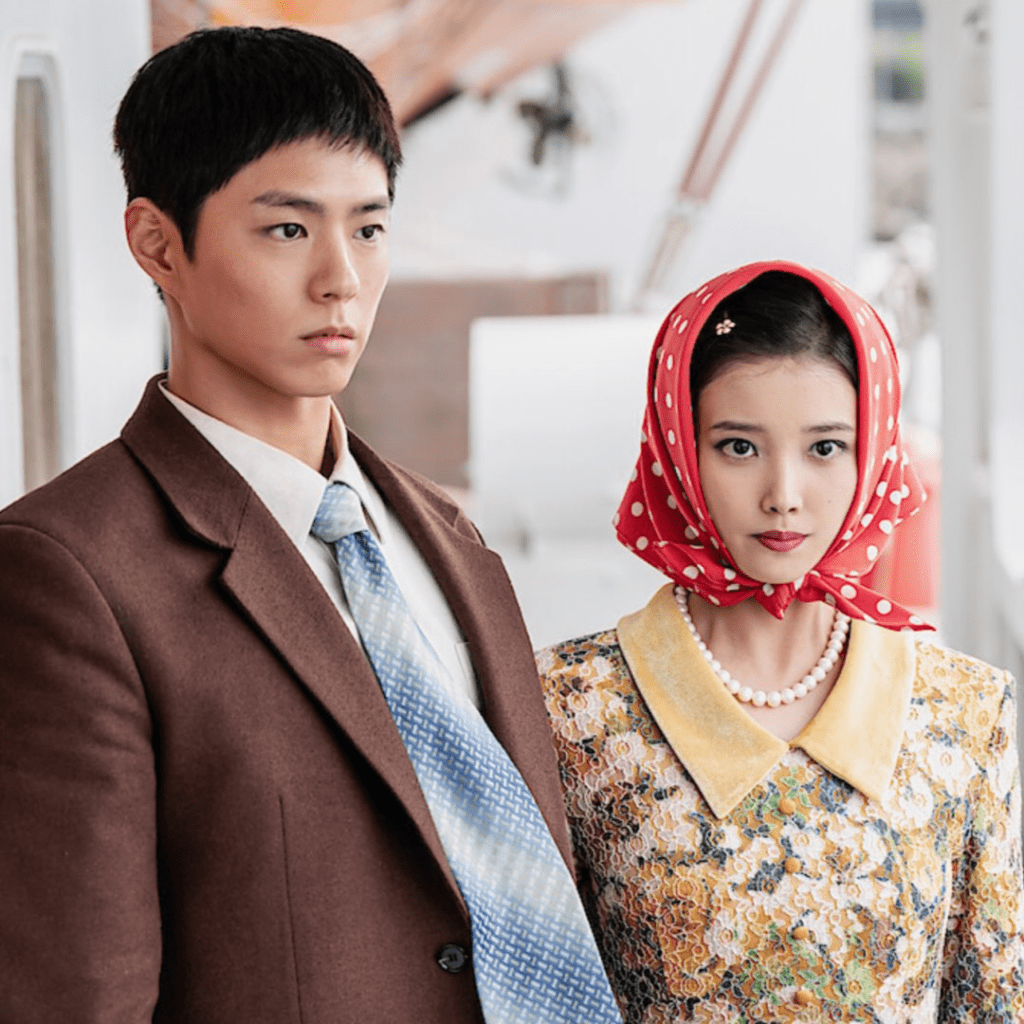
There’s a universal feeling that sinks in after finishing a really good series a heavy, ‘what now?’ that lingers in the air. That’s exactly what I’ve been carrying around since I finished When Life Gives You Tangerines. And no matter how many new dramas I scroll through, nothing quite fills the silence this one left behind. I think the reason When Life Gives You Tangerines is so powerful and impactful is his way of narrating real-life stories that touch the heart.
This show is classified as a drama, romance, and slice of life – my favorite combination of genres, by the way. I have loved drama and romance genres since I understood what romantic love was. I spent my days fantasizing that one day, I would have a love story of my own where a man worships the ground I walk on and loves me endlessly. We would go on cute dates, get married, have two kids and live happily ever after. It’s very unrealistic, but I currently have someone that treats me the way I have read in books and watched in shows and movies, so watching When Life Gives You Tangerines, made me think deeply of him and also appreciate more what our loved ones do for us. This review will contain spoilers so please watch before reading!
Ae-sun has struggled a lot in her life, and her daughter realized why her mom acted the way she did later on as she was reflecting. Ae-sun’s mom died when she was only 10 years old, leaving her an orphan since her dad died a couple years before. Ae-sun grew up feeling like a nuisance as her uncle and grandmother acted as if she wasn’t part of the family, and her mother’s boyfriend just seemed like a leech. Ae-sun had to earn money to take care of her younger siblings, as the boyfriend promised he would send her to college if he helped raise them. During this time, Yang Gwan-sik, her future husband, would not leave her side and even helped plant and sell the cabbages that Ae-sun was selling. Ae-sun never made it to a big university to become the big poet she had always aspired to be. Ae-sun was even hated by Gwan-sik’s grandmother, who was a shaman and said that Ae-sun carried the ghost of her mother around. Ae-sun would constantly tell his grandma that she always tells Gwan-sik to go away and he’s around her despite that. It’s nice to see that while Ae-sun went through a lot of emotional turmoil, Gwan-sik was always by her side whether she wanted it or not. In the last couple of episodes, Geum-myeong said that “If I am dad’s number one, then you’re number zero.” Which is a great transition to their love story.
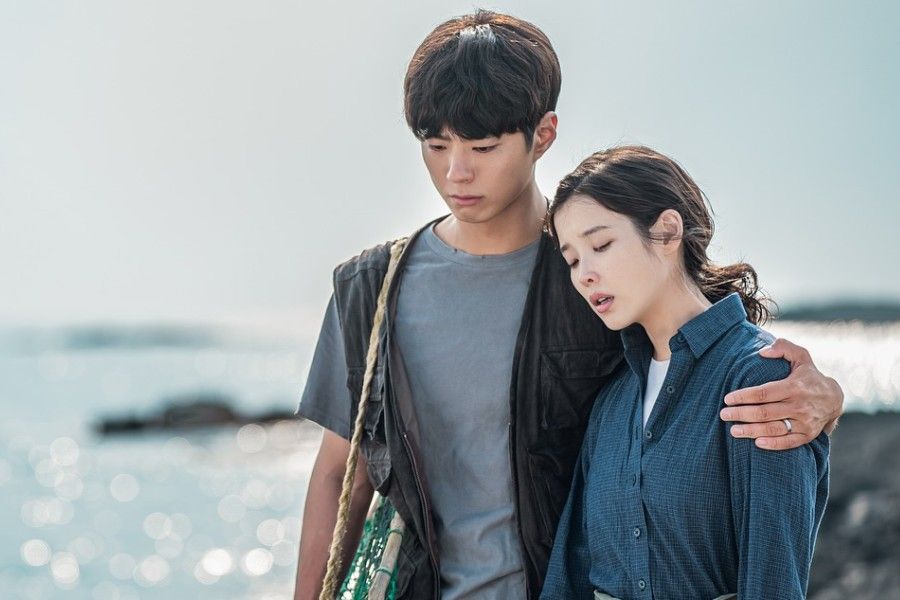
Ae-Sun, since the beginning, is a stubborn girl with big dreams. She would talk about being chief of her village and the president of South Korea, specifically being re-elected five times, with the Haenyeo divers. As the divers worked with both Ae-sun and Gwan-sik’s mothers, they all supported Ae-sun’s big dreams. In this scene, they all ask young Gwan-sik what he will be in the future, to which he said: “be the first gentlemen,” insinuating that he will be married to Ae-sun in the future. Ae-sun would always tell Gwan-sik to go away and that she will never marry him because how could she marry a boy from the island and not the city? She had high standards for herself and the man she would marry, not realizing that Gwan-sik would eventually win her over. Slow and steady indeed wins the race! I find it so endearing how attentive Gwan-sik is to Ae-sun: he brought her family an extra fish so she could eat, remembered the little things, and dealt with all of Ae-sun’s tantrums, as she was an emotional girl. My favorite scene is when they were teenagers and Gwan-sik was on a ship to be a professional runner in the city. He jumped out of the ship and into the sea because he heard Ae-sun calling for him from the island. He swam to her and they embraced each other, and cried together. Gwan-sik’s love for Ae-sun is very pure, my favorite part about their story. It wouldn’t matter what would physically or emotionally hurt him, as long as Ae-sun was smiling, he was happy.
As the show progresses, Ae-sun and Gwan-sik have their three children, one passing away at the age three and extending the couple’s hardships. The story starts to move on to an older version of the couple and focuses on their two children, Eun-myeong and Geum-myeong. I related most to Geum-myeong in this series because she is the eldest daughter, the only one to go to college, the most spoiled, a bookworm, and the one that her parents put the most pressure on because they know she can do anything. Eun-myeong was the one that wasn’t very good at school so their parents compared the two because if Geum-myeong was achieving big things, then at least one child is succeeding. Eventually this led to Eun-myeong resenting his parents, as they clearly showed favoritism towards Geum-myeong.
Geum-myeong’s relationship with her parents made me cry the most. She’s always nagging at her mom about how she needs to stop worrying and needs to stop street vending, because her mom shouldn’t be doing that. It made me both sad and more appreciative of my parents because of how much they have done for me. Ae-sun and Gwan-sik have done everything to send Geum-myeong to college because it was Ae-sun’s dream. In one scene, Geum-myeong is crying in the bus (because she is just as much of a crybaby as her mother, same though) and says “I took their dreams and spread my wings with the seeds of my mom’s dreams in my heart…my mom passed her dreams on to me.”
The last episode was bittersweet. Ae-sun finally became a published poet with the help of her husband, and ultimately completed one of the three promises he told her when they were young. Ae-sun didn’t have it all and Gwan-sik constantly told her: “you should have married someone that could give you everything you wanted.” Ae-sun would just reassure him by telling him that if she could do it all over again, it would still be with him. It was better to have someone that loved you and be poor, rather than be with someone who loves you and is rich. That love makes you rich enough where you feel like you don’t need anything else. The title of this show makes sense. The saying usually goes, “when life gives you lemons, make lemonade,” but all life has given Ae-sun is tangerines, and she still has to make something out of it when things aren’t working her way.
A show has never made me think this much, and it really unlocked all the hidden feelings I had about my parents and my partner. You never appreciate what you have until it’s gone; I related so much to Geum-myeong, with being quick-tempered but also a cry-baby. She adores her parents and knows she’s a brat for not appreciating them enough, everything she has done is for them. I also saw the importance of how you love someone and how that reflects in how your children love. Geum-myeong thought she had found a love like her parents until she had to ask her first love to choose between being a good husband or a good son. He responded with: “how can anyone choose?” To which Geum-myeong responds with: “My father did.”
Even Eun-myeong saw how his parents loved each other and did the same with his wife. Gwan-sik always chose Ae-sun and that is the love I will always want to have. I didn’t include all of the big moments in this series, so if reading this still made you want to watch despite some spoilers, please do!
Fortunately, Stranger Things 5: Volume One is still good. Its high points are also among the best in the show’s history. And its strongest storyline not only draws on the entire history of the show, it sets up the chance to pull off a truly moving finale.
Stranger Things 5‘s first batch of episodes features so many characters who matter to the equally massive plot that the seasons feels more like it takes place in Westeros than Indiana. The show already had too many characters, yet Stranger Things 5, Volume One adds important new characters, too. For instance, it elevates Holly Wheeler, who didn’t matter much before, into a vital role. It also introduces totally novel ones. That notably includes the newest human villain, an incredible Linda Hamilton as military leader Dr. Kay.
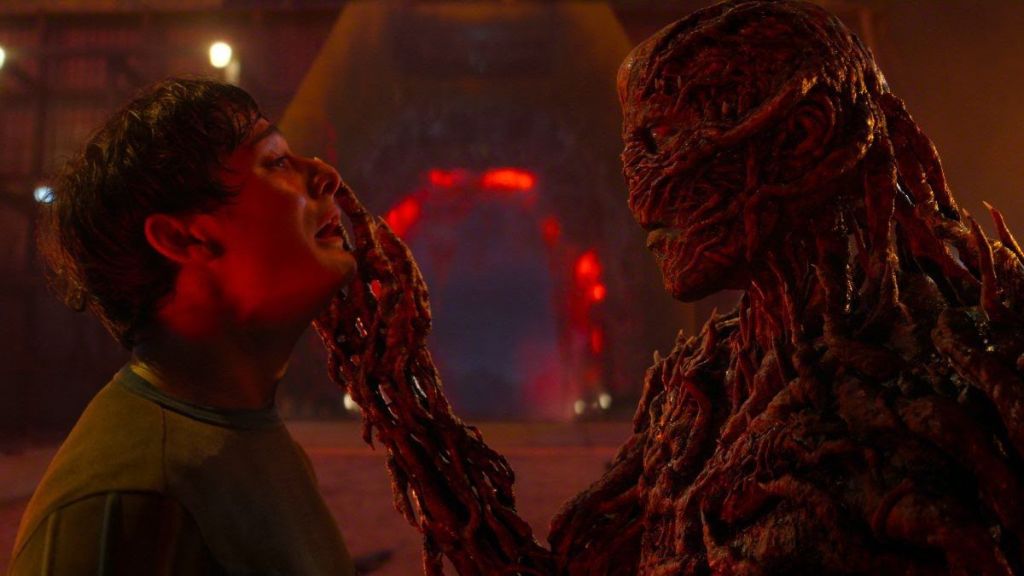
The show itself also feels a little different from previous installments after what happened in the closing moments of season four. When Vecna opened up a huge portal right through the city, he fundamentally changed the nature of the series. This is no longer an intimate story where only a few citizens know something is amiss. All of Hawkins is now under military control in Stranger Things 5, Volume One. The good news is the show combats its own upscaling by keeping almost everyone except its longtime characters in the dark. Most of Hawkins has no idea what’s really going on. The good news is the show combats its own upscaling by keeping almost everyone except its longtime characters in the dark. Most of Hawkins has no idea what’s really going on. The people secretly fighting the Upside Down are the ones who have always done so.
Predictably, with so many people, some characters feel extra important while others feel shortchanged. Natalie Dyer’s Nancy is crucial to multiple Stranger Things 5, Volume One plots as she is essentially the leader of the underground resistance. (Literally underground. Get ready for tunnels.) An amazing Noah Schnapp, the absolute MVP of these episodes, is the heart and soul of everything in the best way. Yet Lucas, Mike, and Dustin don’t feel as central as they should be in Stranger Things 5. A few characters and relationships also feel like they’re running in place, stuck in the same exact arc or development introduced seasons ago. Looking at you, Hopper and Joyce! And Steve and Dustin….and Jonathan.
No character who matters is ignored or totally undercut entirely, though, because they’re always in the mix. That’s because this season does something very smart and satisfying. It keep its many characters together as much as possible.
If you love Maya Hawke’s Robin, you’re going to love Stranger Things 5, Volume One. I didn’t keep official track, but she talks as much as all the other characters combined. That might be slightly exaggerated, but not by much. Hawke is excellent, all energy and charm, but more than anyone, Robin exemplifies both the strengths and weaknesses of Stranger Things 5‘s Volume One. She’s too much yet also part of this batch’s best storyline. This season pairs her with Will, and the payoff is extraordinary, among the most moving in the series’ entire run. It’s also very important, as the Duffers eventually weave together their plot, themes, characters, and past events into one satisfying thread.
As for the action in Stranger Things 5, you guessed it, there’s too much. This season is like Aliens crossed with Red Dawn and Poltergeist. There are lots of action sequences. One is the scariest, most gruesome, most emotional attack the show has ever done. It’s also frustrating that this season, despite being the last, also adds new, dense developments to Stranger Things‘ lore. They can seem needlessly confusing at first. A few are downright confusing, the more you dive into them. Volume One also brings with it a lot of explaining things that happened before and groundwork for new mysteries the show will deal with in Stranger Things Volumes Two and Three. The long gap between seasons also means many viewers won’t remember key plot points from previous installments. It’s frustrating at the moment, for sure. It’s not a deal breaker for enjoying the season, though. Viewers who don’t sweat the details will like these episodes more than those who do.
In the final scene of Stranger Things Season 5 (Volume 1), Will Byers finally unlocks the powers that have been hinted at since Season 1. As a swarm of Demogorgons overruns the Hawkins military base and his friends are moments from being killed, Will’s long-dormant connection to the Upside Down suddenly ignore his eyes turn white, he taps directly into the Hive Mind, and he telekinetically freezes the Demogorgons before tearing them apart with sheer psychic force. The moment is brutal, shocking, and clearly painful he collapses with a heavy nosebleed but it confirms that the “mark” Vecna left on him years ago wasn’t just trauma, but a latent power waiting to awaken. This twist instantly transforms Will from the group’s most vulnerable member into one of their most powerful, setting him up as a crucial weapon in the final fight against Vecna.
Overall, Season 5 (Volume 1) is explosive and emotional the Demogorgon attack pushes Will to awaken his long-buried psychic powers, saving his friends in a shocking display of strength. His connection to the Upside Down is finally revealed as a source of power, not just trauma. As Will collapses from the effort, the group realizes everything has changed. The final shot makes it clear the coming battle with Vecna will revolve around Will like never before.
The White Lotus is a sharply observed, darkly comedic anthology that dissects privilege, power, and human dysfunction all within the glossy, deceptively tranquil setting of luxury resorts.
The hype is real with The White Lotus and if you have not watched any of the three seasons then you are in for a Binge watch treat.This is a slow burn anthology series set at a White Lotus luxury resort in different, breath-taking locations each season.
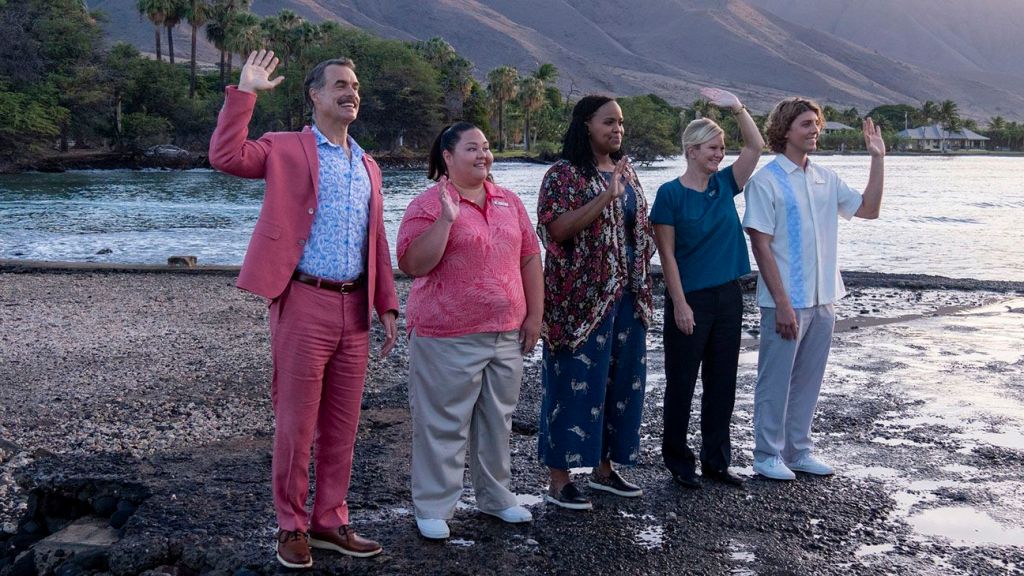
The first season of The White Lotus follows the various guests and staff members at The White Lotus Hotel Hawaii, as they spend a week in paradise, sunning and tanning and trying to have the best vacation possible, whatever the cost. Season one follows three sets of vacationers as they arrive at The White Lotus, all in search of their own version of happiness. Paradise however is not always the ideal vacation and across the series these ten individuals will learn that sometimes the best thing you can do is stay at home.
It has really become a global phenomenon over the past two years, with the show completely sweeping every awards category and becoming a much talked about subject. I’ve been meaning to watch for the absolute longest time and with the recent release of season two (which I have already started and should be reviewing next week), I figured there was no time like the present. Having now watched the first season I can definitely see what the fuss is all about and am really excited to continue season two and watch any future seasons we may get, as an anthology there’s so much potential with the relatively simple concept.
The White Lotus is another show that adds to this lineage of boundary-pushing TV dramas. It subverts the tired cliches and tropes of the overplayed “character drama” format, bringing a fresh perspective to cinematography and soundtrack. Rather than relying on cheap, unearned emotional spikes to keep the audience engaged, it weaves a thought-provoking narrative that keeps the viewer interested. The show reminds us of the difference between cheap thrills and complex storytelling.
The White Lotus takes place in a high-end holiday resort in Hawaii, where a diverse group of wealthy characters come together. Through its story, it peels back the mystique of their affluence and reveals that, despite their status and money, they struggle with the same problems as everyone else. The show poses questions about the motivations behind relationships, the reality of being a rich teenager, and the motivations behind loneliness. In typical HBO fashion, the show doesn’t shy away from shock value, but it adds a layer of relatability to the events by showing real life in all its, gritty,sometimes-shocking detail.
Overall, the first season of The White Lotus is a triumph, making it one of the best shows to come out in recent years. It’s a thought-provoking, well-crafted and beautifully executed piece of television that will leave you wanting more. Whether you’re a fan of drama, black comedy or just excellent storytelling, The White Lotus is a show that should not be missed.
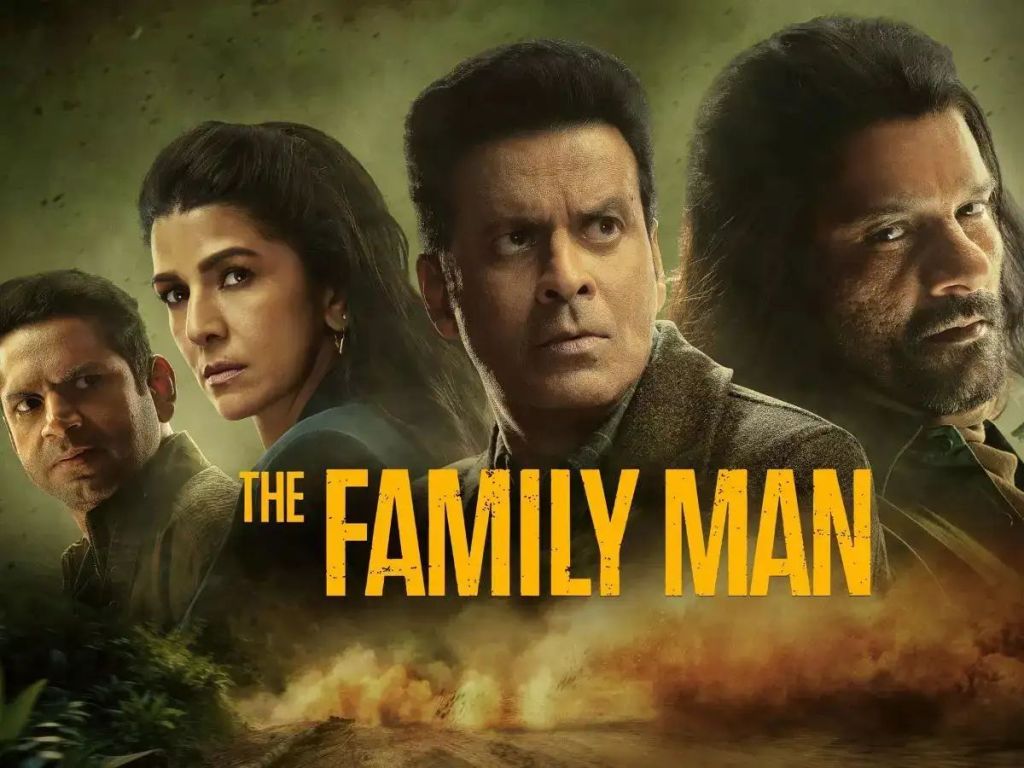
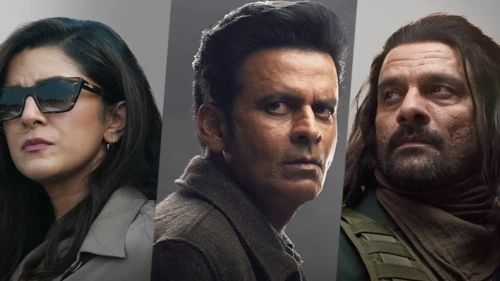
You might feel deja vu from Paatal Lok, also a Prime Video series, after taking in the picturesque Northeast, but that feeling doesn’t stay for long. The Family Man 3, inarguably a technically superior chapter, but the weakest one, traverses the entire Northeast with Nagaland seeing the most action.
Unlike previous seasons, the new chapter revolves around the sociopolitical tension of Northeast India, where TASC rolls out Project Sahakar to unify various groups for peace. In the middle of this volatile mission, Srikant’s marriage continues to crumble. He’s torn between his duties as a spy and the emotional fallout at home.
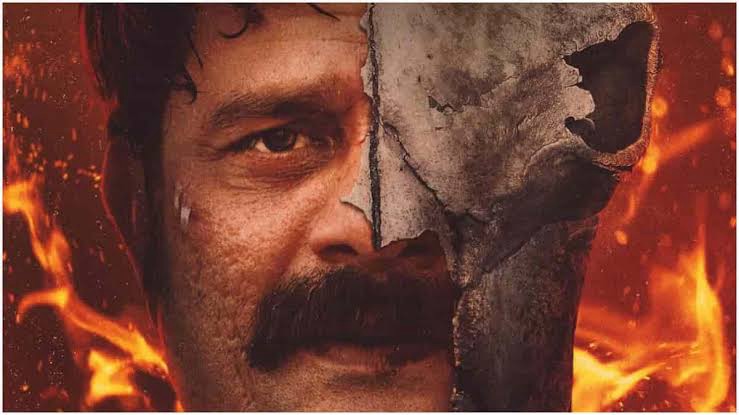
One antagonist drives the season, Rukma, played chillingly by Jaideep Ahlawat. The hitman not only eliminates two high-profile targets but also kills Srikant’s longtime mentor and father figure, Gautam Kulkarni. The loss pushes Srikant to abandon protocol and pursue Rukma at any cost.
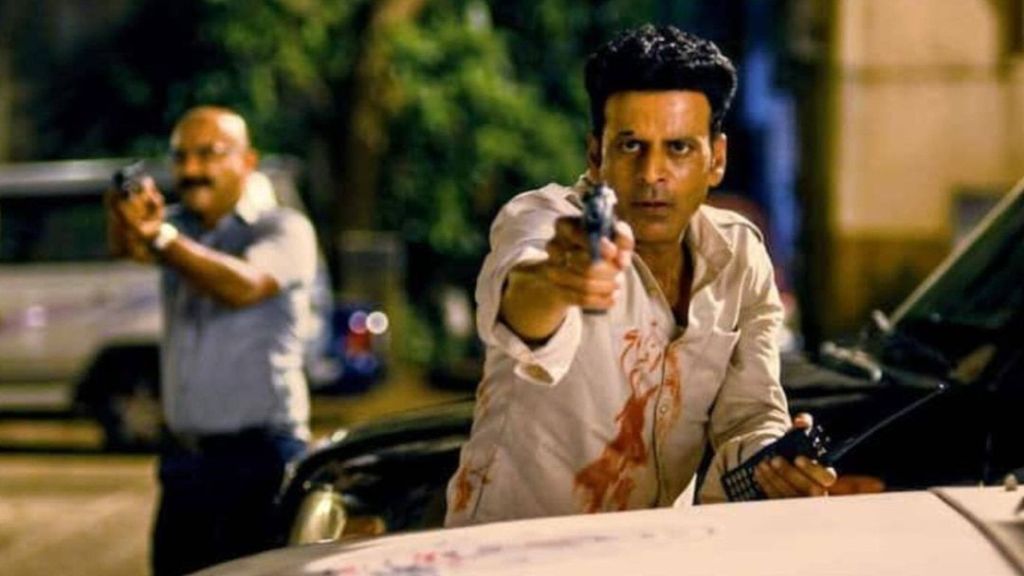
But the chase becomes even more complicated when Srikant is suspended and painted as a suspect himself. A mole inside the government leaks intel, and a parallel investigation headed by Yatish forces Srikant into a life on the run, even as he tries to rescue his family from danger.
In the middle of all this chaos comes a twist that proves not everyone is who they appear to be. Zoya initially acts against Srikant publicly, but behind the scenes, she teams up with JK and a hacker to save him. When Srikant’s wife and children fall into a trap disguised as police custody, Zoya leads the rescue, pulling the family out moments before disaster.
The personal storyline, too, ends unresolved. Just when viewers hoped Season 3 would finally address the much-speculated Lonavala incident between Suchi and Arvind, the show steers away. Also, how can we forget to mention the best cameo by Vijay Sethupathi. He played his Farzi series character in the show and we absolutely loved it.
For fans, The Family Man Season 3 is a must-watch that still offers solid action and gripping moments. It retains the heart and human element that makes Srikant Tiwari such a legendary character, even as the plot delves into a darker, more personal conflict. However, it’s not the series’ strongest outing. While the new villain and the Northeast setting are fresh, the plot occasionally loses steam and relies on a few too many familiar tropes.
The season excels when Srikant is pushed to his absolute emotional and professional limits, but the cliffhanger ending is likely to leave you both thrilled and frustrated. It feels less like a complete season and more like a high-stakes Part 1 to a larger arc.
⭐ Rating: 3/5 — Strong performances with cameo, solid writing, but slightly stretched pacing.
To call Delhi Crime formulaic would be, well, a crime. It is finest web shows to come out of India.
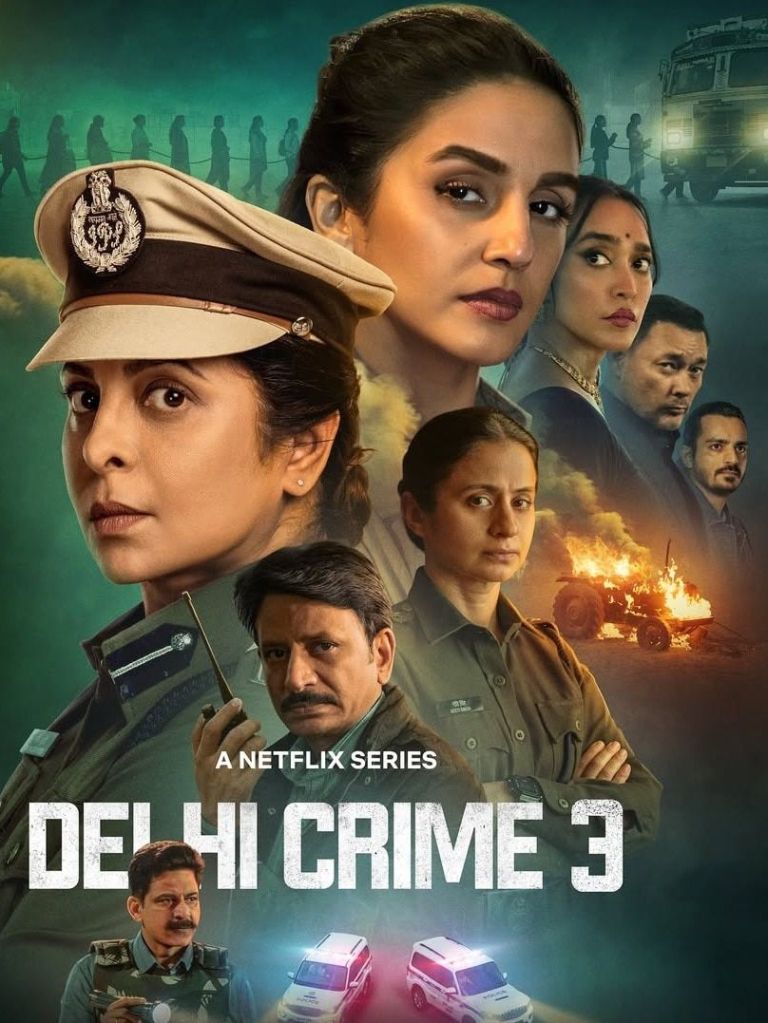
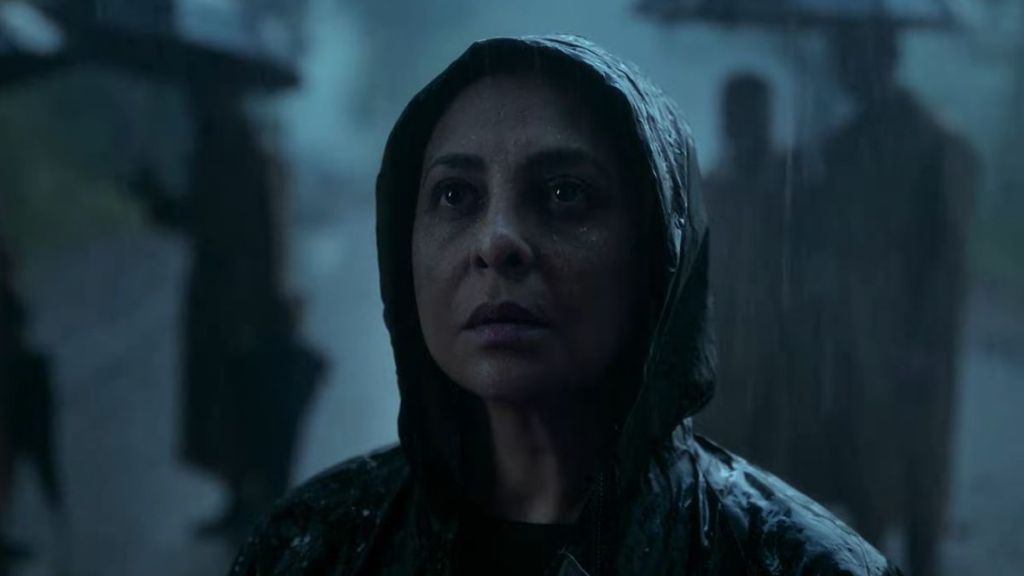
Over the years, Delhi Crime – and its protagonist Vartika Chaturvedi have become hallmarks of quality thriller. The third season, which finally takes Vartika out of her comfort zone, sees the audience travel to many places outside the national capital. For the first time, it also creates a villain large enough to challenge our protagonist. And yet, it does all that without glamourising crime. It does fall prey to formula a bit, yet manages to bring enough substance to stay afloat.
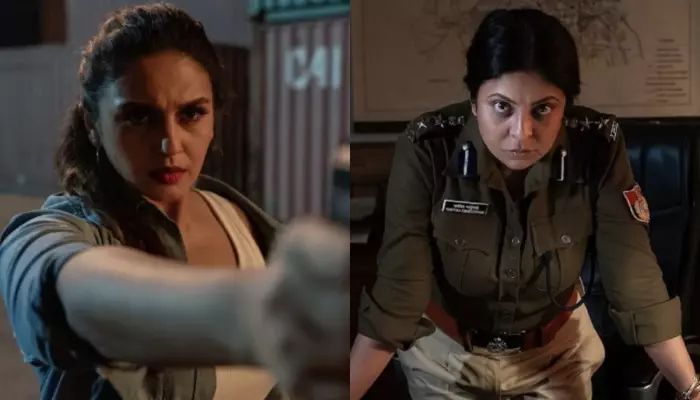
Vartika Chaturvedi (Shefali Shah) is now a DIG, having been shunted to Manipur from Delhi. Yet, a case of missing girls brings her back to the capital, and joins her with her former team. But her foe, Meena (a menacing Huma Qureshi), is smart. She has a network of wrongdoers (each cast better than the previous one). And Vartika and her team must now outwit this spider if they have any chance of bringing her network down and saving the lives of 30 girls.
Delhi Crime sees little of Delhi this time around. The action shifts from Manipur to Haryana, and from Mumbai to Gujarat, frequently. Yet, it retains its core identity, its Dilli-ness. It is still about our team of cops from Delhi, about a crime that retains its roots in Delhi, and involves a lot of politicking. The geography changes, but the soul remains intact, and the writers deserve a great deal of credit for it.
Spread over 6 episodes, Delhi Crime deviates from its usual whodunnit narrative and introduces us to the bad guys and their backstories early on. It’s a big gamble. For the first time, the viewer is ahead of the police. You run the risk of making your cops appear silly or incompetent in front of the viewers. Delhi Crime passes that test. It does fail another one. In pitting Vartika and Meena against each other, it follows a trope that has become all too common in Indian OTT – the face-off.
The face-off is not dull. But you can sense it from a mile away. You can see the build-up for it, and the breadcrumbs too. That is where Delhi Crime finally begins to feel like a lot of the other shows populating Indian streaming. It has never been before today. It is only the gripping narrative and slick direction that manage to prevent it from falling into that gorge of predictable formula.
Shefali Shah is in top form yet again. To call her one of the finest actors of her generation would be underselling it. There are few who can become a character like she does, suspending disbelief so easily and so smoothly. Yet, the show does falter a bit in her characterisation. Vartika is meant to be our moral compass, our view of humanity in this wretched world. That is why she never seems jaded. But when she – a seasoned cop – is shocked by a gruesome sight every time, it beggars belief. Shefali still manages to pull off that vulnerability splendidly. But it rankles nonetheless.
At the other end of the spectrum is Huma Qureshi in what is arguably the finest performance of her career. You take one look at her aura as Meena and wonder why nobody ever cast her as the bad guy (apologies, girl). She towers above everyone and yet mingles with the crowd. The ease with which she slips from charming to cruel is scary and fascinating at the same time.
The scene-stealer for me, apart from the two leads, was Mita Vashishth. As the pimp Kalyani, she brings unprecedented humanity to an evil part, making it so relatable and disgusting at the same time. And the veteran actor leaves no stone unturned in blending humour, drama, and horror in a beautiful cocktail. Rasika Dugal, as always, leaves a mark. Her track allows her growth, both as an actor and in her character. And she nails every beat perfectly. Rajesh Tailang was born to play this, it seems, never putting a foot wrong. Sayani Gupta was a welcome addition to the stacked cast. Her beautiful play with malice and authoritative evil is delicious to watch.
Delhi Crime S3 is a great show. Does it hold up against its illustrious predecessors? Yes and no! Yes, because it retains the soul of the show, and again brings to the fore some of the finest acting on Indian OTT today. No, because it is finally letting formula creep in, something we’d hoped at least this one would stay away from.
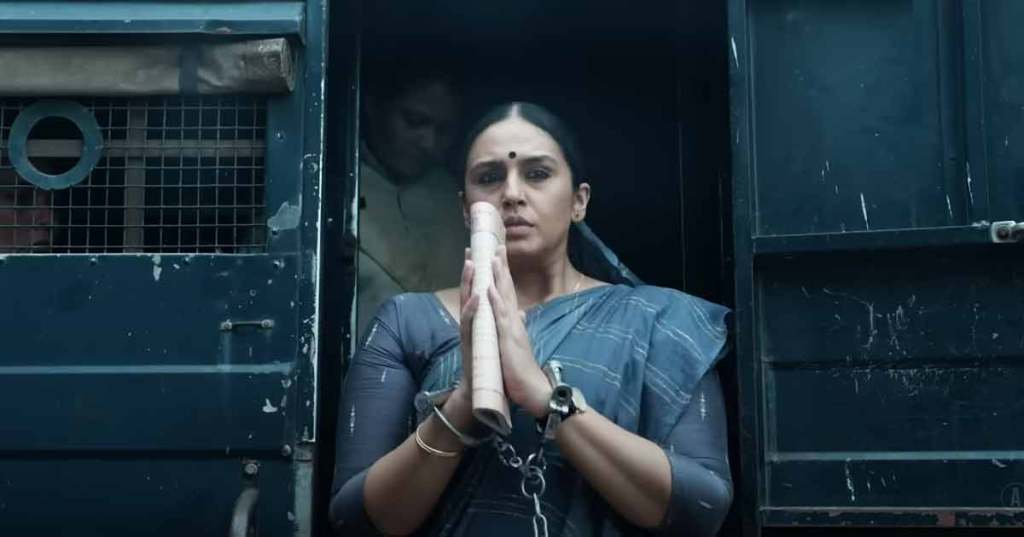
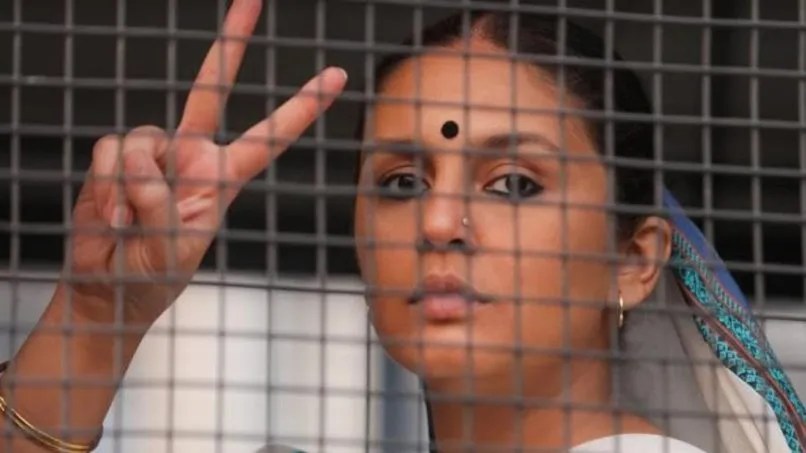
Huma Qureshi once again anchors the series with a strong, compelling performance as Rani Bharti, a character who has evolved from an uneducated homemaker to a major political player.
It continues the intense political journey of Rani Bharti, portrayed powerfully by Huma Qureshi, as she rises from being a homemaker in Bihar to a dominant force in Indian politics. This season broadens its canvas beyond regional politics, taking the story to Delhi’s national stage, where Rani faces new political alliances, betrayals, and moral dilemmas. The transition not only raises the stakes but also adds a fresh layer to the narrative, exploring how power shifts when personal conviction clashes with political ambition.
One of the strongest elements of the show remains Huma Qureshi’s commanding performance. She brings remarkable depth to Rani Bharti—her transformation from a naive village woman to a shrewd political strategist feels authentic and emotionally grounded. Qureshi’s portrayal of Rani’s internal conflict—balancing her integrity, motherhood, and political survival—is what gives the show its emotional backbone. The supporting cast also delivers commendable performances, especially Amit Sial, Sohum Shah, and Vipin Sharma, who bring complexity to their respective roles and help sustain the tension throughout the series.
The writing this season is sharper in parts, with several standout dialogues that reflect the gritty realities of Indian politics. The show continues to capture the rustic tone and political chaos that made the earlier seasons compelling. The cinematography effectively blends Bihar’s earthy textures with Delhi’s power corridors, giving the story a contrasting yet cohesive visual appeal. The use of traditional Indian music and local dialects adds authenticity and immerses viewers in the socio-political environment the series aims to portray.
However, the show isn’t without its flaws. The pacing feels inconsistent—some episodes flow brilliantly, while others drag with repetitive political manoeuvring or subplots that fail to add real value. The expanded scope, while ambitious, also dilutes some of the raw intensity that made the earlier seasons stand out. Certain new characters and storylines feel underdeveloped, and the narrative sometimes loses focus when trying to balance personal drama with political intrigue.
Despite these shortcomings, Maharani Season 4 succeeds in keeping the audience invested. It highlights the cost of ambition, the loneliness of power, and the compromises one must make to survive in politics. What stands out is how the show humanizes Rani Bharti—she’s no longer just a symbol of female empowerment but a flawed, determined individual navigating a world dominated by ego and greed. The emotional moments between Rani and her family bring warmth to an otherwise hard-edged story.
In conclusion, Maharani Season 4 is a gripping continuation of an already powerful saga. It might not reach the heights of its first season, but it remains engaging, socially relevant, and anchored by one of Huma Qureshi’s best performances. The series reminds us why Maharani remains one of the most important political dramas in Indian OTT realistic, emotional, and thought-provoking.
Created and directed by Dushyant Kapoor, the series appears to have a straightforward premise, yet it unfolds with multiple layers and subtle nuances.
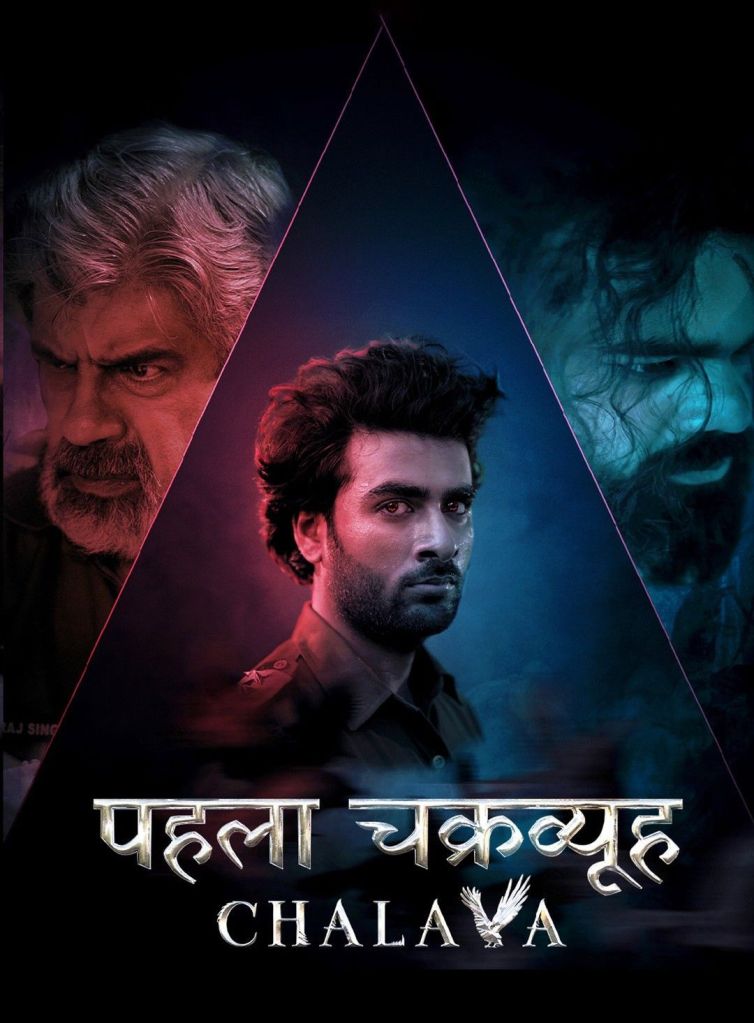
Pehla Chakravyuh – CHALAVA is an ambitious and atmospheric Indian web series that attempts something refreshingly different from the usual crime or horror fare on OTT platforms.
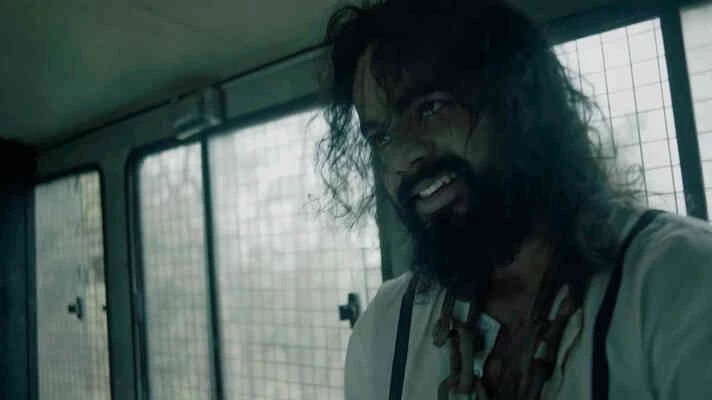
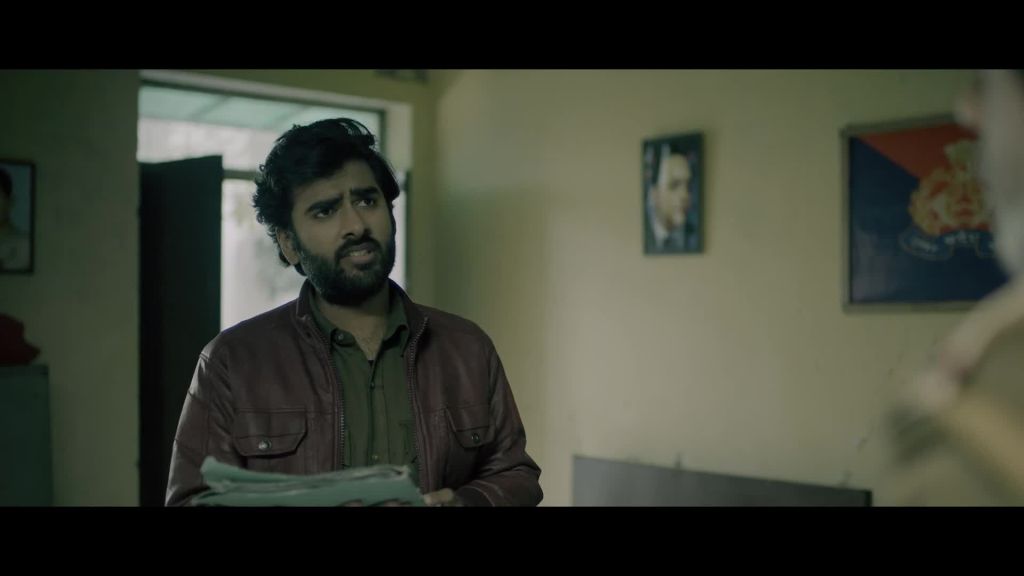
At its heart, it’s a supernatural thriller that mixes mystery, folklore, and psychological tension. The story revolves around the transfer of a mysterious prisoner, and soon, strange and deadly events begin to unfold around the officers escorting him. What makes the premise compelling is how it blends Indian rural beliefs, superstition, and myth into a modern narrative about fear and faith. It’s not a typical horror story filled with jump scares rather, it builds dread through silence, lighting, and mood.
The series stands out for its visual appeal. The cinematography by Anand Badoniya is striking, especially for an independent production. The lighting, use of shadows, and rural landscapes create a strong sense of unease and authenticity. DK Films, the independent studio behind the series, deserves credit for achieving such scale and polish on a limited budget.
The atmosphere feels real and grounded —you can almost sense the dust, the darkness, and the tension in every frame. With over 250 million streams across various platforms, Chalava has clearly resonated with audiences, proving that indie storytelling can hold its own in a crowded OTT space.
However, the series isn’t without its flaws. The pacing is one of the biggest issues. It moves slowly, especially in the early episodes, and viewers looking for constant action or fast-moving thrills might find it dragging.
Some dialogues also feel a bit stiff or overly scripted, which occasionally breaks immersion. Character development could have been stronger while the mystery surrounding the “Chalava” is intriguing, several supporting roles feel underwritten or one-dimensional. There are also moments when the limited budget shows, such as with certain props or effects that don’t quite hit the mark.
Overall, I’d rate it around 7 out of 10. It’s not flawless, but it’s bold, visually captivating, and culturally rich. If you enjoy stories that make you think, that explore fear as a reflection of belief, and that take their time to build tension, Pehla Chakravyuh – CHALAVA is absolutely worth watching.
Hatts of to the director, It’s a promising example of how Indian creators can use local mythology and rural realism to craft genuinely unsettling and thought-provoking stories.
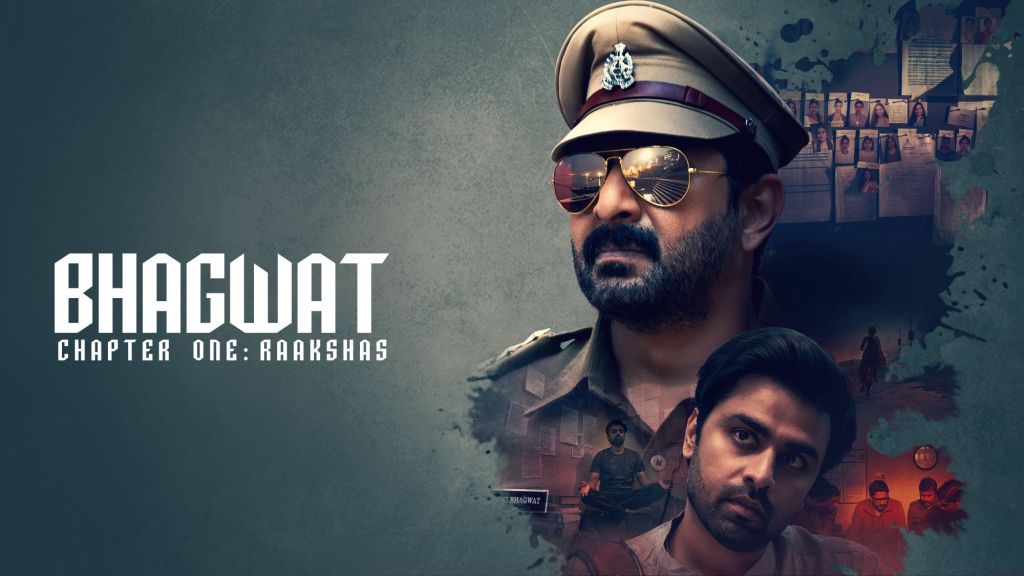
Bhagwat Chapter One: Raakshas: An one-time watch instead of compelling nightmare
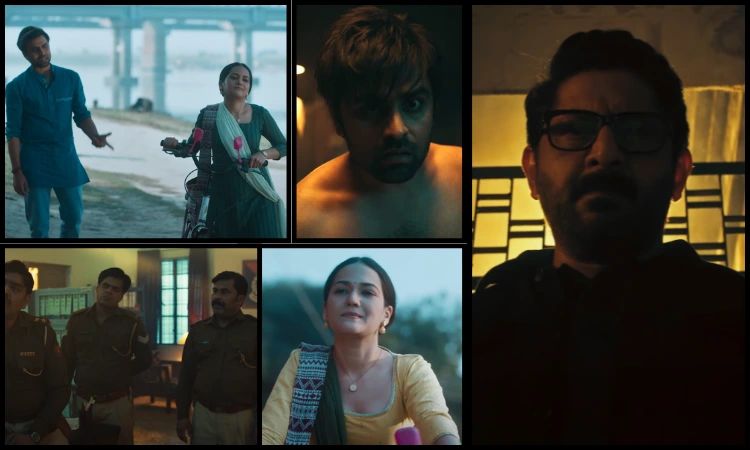
In Bhagwat Chapter One: Raakshas, we see the meet-cute of a young couple on the quaint ghats of Varanasi.
The guy gently but determinedly pursues the girl, and despite her initial disapproval of his soppy behaviour, she is ultimately drawn to him. So ensues a romance between the two, Meera (Ayesha Kaduskar) and Sameer (Jitendra Kumar), who then decide to elope due to their inter-caste relationship.
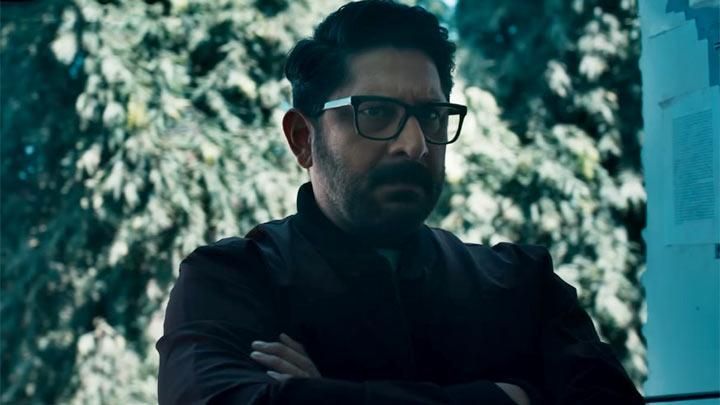
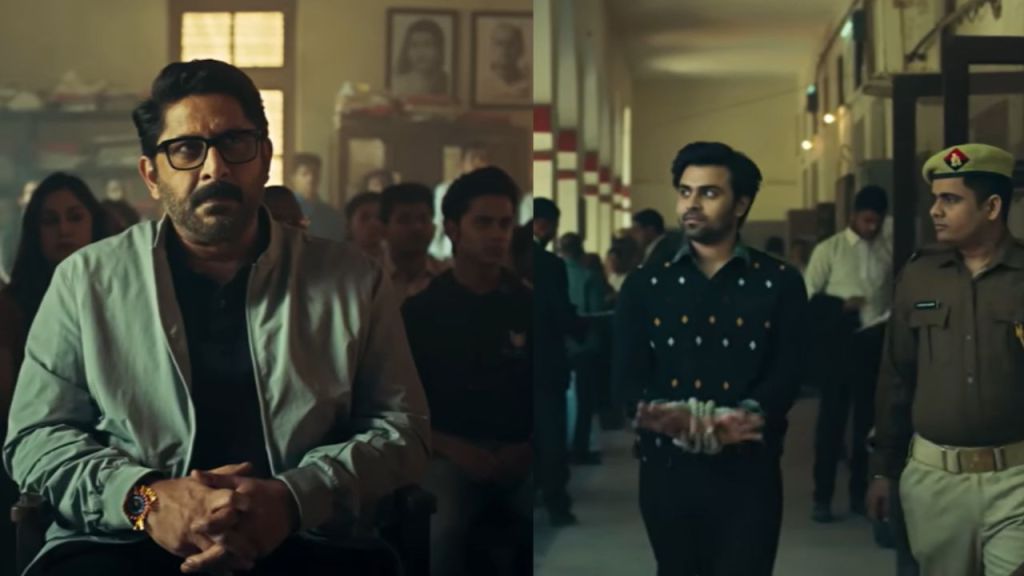
This bittersweet romantic track runs parallel to the police procedural drama where Inspector Vishwas Bhagwat (Arshad Warsi) and his team of subordinates are investigating a startling case of several missing women in the same region.
The two tracks run in different time zones, and how they will collide is not much of a mystery if you have seen enough crime stories that the Indian streaming space is dishing out of late. The most frustrating aspect of Bhagwat Chapter One: Raakshas is that it feels all too familiar.
The plot revolving around an unrepentant killer is strikingly similar to Reema Kagti and Ruchika Oberoi’s terrific Dahaad. The police procedural bits remind you of the other ZEE5 show Janaawar: The Beast Within featuring an excellent Bhuvan Aror.
Director Akshay Shere, working on the script by Sumit Saxena and Bhavini Bheda, takes a grim true-life tale in Bhagwat Chapter One: Raakshas and presents it in a fashion that’s too conventional at times, even though the intentions are in the right place. This is the same problem that Bhumi Pednekar’s Bhakshak suffered from.
The focus is also on the machismo of Warsi’s cop character to establish him as the protagonist hero of the show (it’s called Chapter One for a reason), but it does so with dampener effect.
Arshad Warsi’s growling, screaming, agitating, outwitting cop is the shadow of every other police detective we have seen in this space before. And even though the actor is sincere, there’s nothing particularly exciting about his character, which only dampens the overall impact of his performance.
Jitendra Kumar’s versatility is more evident in a role that makes a smart use of his boyish charm, only to spring a surprise.
The actor puts forward some wild personality shifts to good effect, but there’s not much mystery or tension about his character that would have further elevated his performance. A character like that needed a deep dive to hit harder, but it just feels incomplete, not developed enough, for us to fully be immersed in the story.
Overall, Bhagwat Chapter One: Raakshas feels like one-time watchwithout the adequate writing.
Bank Under Siege, on Netflix, is a clumsily titled yet compelling series from Spain that is based on true events, in which a gang of masked attackers take over 200 hostages in the Central Bank of Barcelona.
Netflix will premiere Bank Under Siege, a thrilling Spanish criminal thriller drama, in November 2024. With its riveting narrative, dramatic acting, and fascinating criminal underground investigation, the series aims to captivate spectators.
Bank Under Siege could be the next big crime drama to captivate domestic and international audiences as Netflix expands internationally, especially in Spain, where Money Heist (La Casa de Papel) has become a global hit.
Bank Under Siege follows a daring bank heist that goes awry, resulting in a tense hostage scenario days later. A crew of professional crooks plan an apparently perfect theft. However, an unexpected police presence leads them to take drastic measures, including taking bank personnel and customers hostage.
Tensions inside and outside the bank rise as the hours pass. The crooks and cops bargain hard, but opposing interests, personal vendettas, and mounting desperation convert the theft into a psychological struggle. The series shows how greed, fear, and survival instincts ruin each individual.
The viewers’ entrance to the story is through a fictional rookie reporter named Maider (María Pedraza), who just moved to Barcelona. Her father, a veteran journalist, was assassinated a few years earlier, likely due to his coverage of the Basque conflict. She is paired with world-weary photographer Berni (Hovik Keuchkerian), who is a valuable asset to her. When the police get wind of a bank robbery in progress, they send Paco López (Isak Férriz), head of the robbery division, whose detective work pays off in the end. But the main character of Bank Under Siege is Numero Uno. He is a charming, ballsy, professional bank robber, who has been in and out of prison for said crimes. While he could be seen as simply an irreformable thief, he has an interesting back story that ties to some of the current political upheaval.
The government, worried that this is another coup attempt, immediately question whether the Civil Guards are involved, especially when Numero Uno demands that Tejero (Xavi Lite) be released from prison. As for how to handle the crisis, Prime Minister Calvo-Sotelo (Óscar Rabadán), demands that their response doesn’t risk losing any hostages, but General X (Tito Valverde) fears the government will look weak if they don’t storm the bank. Midway through the crisis, Lt. General Manglano (Roberto Álamo), newly appointed head of the CESID (CIA), arrives to counsel the Prime Minister. There’s something scary-calm about him, and he plays a greater role in the goings-on than they know.
Bank Under Siege is structured in way that reveals pertinent information as the series goes along, so we don’t really know the motivation for the heist until the last episode. This version of the story is Numero Uno’s, and if he is telling the truth, it’s pretty cynical. Understanding the general politics of post-Franco Spain is crucial, because the show assumes you know it. And that aspect really elevates it above your average hostage thriller. As with most series based on true events, there is a mixture of actual people and fictional characters who are used to move the plot forward or add drama. In this case, I didn’t think we needed Maider at all. If they would have consolidated her character into the Paco character, it would have given the show more of a cat and mouse feel. One beef I have is that the creators added a coda about how drug overdoses skyrocketed under democracy, which felt tacked on, like a different story altogether. But if you like a tense, complex thriller, Bank Under Siege is for you.
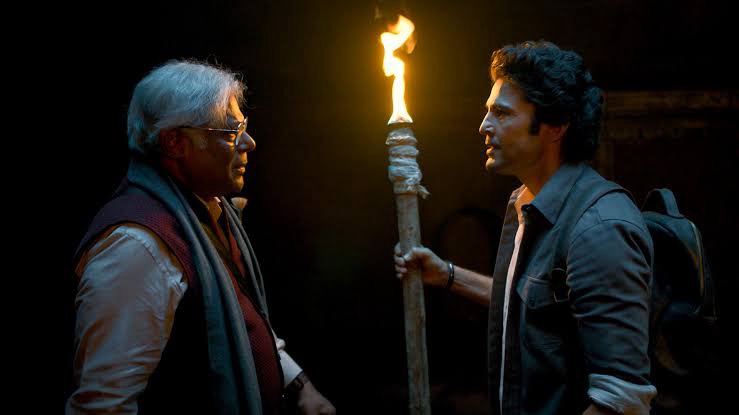
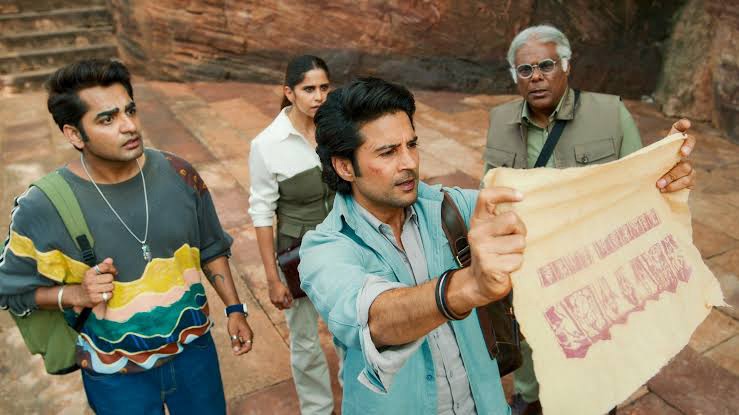
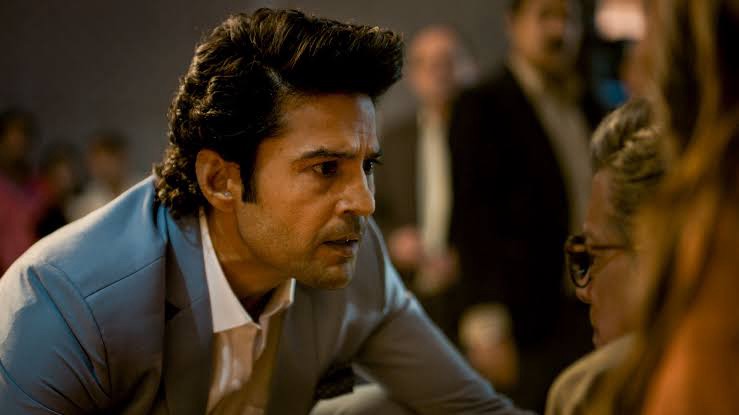
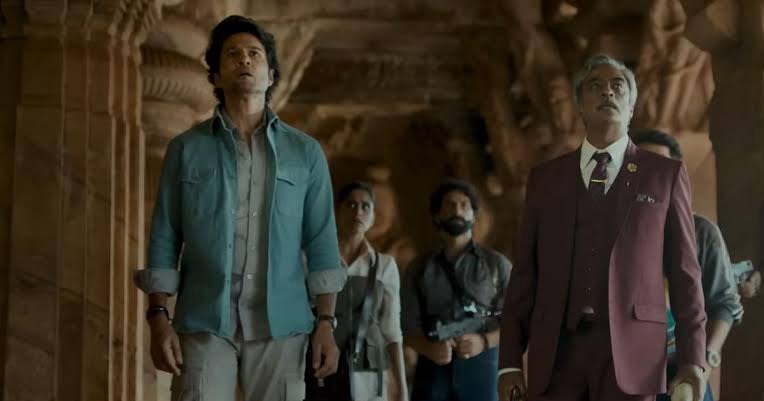
The Secret of the Shiledars on Disney+ Hotstar revolves around a secret society that has for generations been zealously guarding Shivaji’s riches, particularly his golden throne. Krishnakant (Dilip Prabhavalkar) has been looking for the next shiledar, or soldier, and finds him in history buff Ravi (Rajeev Khandelwal).
The Secrets of Shiledars began with a young Ravi and his father and mother driving towards a place. They were being chased by a truck, and it was obvious the vehicle was after them to kill the family. Ravi had noticed a ring on his father Shrikant’s finger, and a part of an ancient dial was also in the car. Ravi’s father and mother died in a car crash as they tumbled into the river. The young boy somehow survived. The adult Ravi became a doctor who had a penchant for Maratha history and hence ran a YouTube channel with his brother Adi. There was no further explanation as to who raised Ravi and if Adi was his sibling or his cousin, who always joined in on his adventures around historical monuments. This is an interesting setup to make Ravi seem like a special man who was sucked into the world of hidden lores and secrets
Ravi met Judge Dixit at the latter’s book launch. He was invited by Judge Dixit’s assistant, Priyal Deshpande. The book was about Chhatrapati Shivaji Maharaj and the justice system the king had formulated while sitting on his famed golden throne that disappeared soon after his death. Judge Dixit requested Ravi to visit him at his chambers in Pune. On meeting Judge Dixit again, the elderly man went ahead and spoke about “Shiledars,” an elite group of people who protected the treasures of Chhatrapati Shivaji Maharaj, most importantly the famed golden throne. The elite group could be seen as mirroring the ‘Knight Templars’ mentioned in The Da Vinci Code, where the people involved in it were high profile and had been passing on the secret location since the 15th century. Ravi realized his father and Judge Dixit knew each other through the signature ring, indicating both men were ‘the Shiledars.’ Since Judge Dixit had been diagnosed with cancer, he decided to share the information about the hidden treasure and offered Ravi an old book. Judge Dixit wanted to make sure all of the documents were safely handed over to him before anyone with bad intentions took over valuable items after his death.
Around the same time, Governor Ramachandran of Maharashtra claimed he was the heir to the Vijayanagara Empire. He wanted to get hold of Judge Dixit, who knew the location of the Maratha treasure, which he believed belonged to his lineage. He was a delusional old man who hired three hitmen to kidnap Judge Dixit before he handed over all the information and key items that could lead Dr. Ravi to the treasure. The hitmen killed Judge Dixit in no time as he refused to share the details Governor Ramachandran was looking for. The police, however, arrested Dr. Ravi, since he was the last person known to have met Judge Dixit. He was a usual suspect, and the only way he could prove himself innocent was to somehow get bail and get into Judge Dixit’s chambers. Dr. Ravi was lucky that he was bailed out by Priyal Deshpande, who came out of nowhere to help him. She was keen to get to the bottom of the matter to find out why Judge Dixit was killed and who was responsible.
The trio had to get to the chambers even though it was a crime scene. Using the clues left by Judge Dixit to Ravi, they found a half piece of a large dial. Ravi had a memory of the other half of the dial that his father had acquired, which disappeared after his death. There was a complicated set of clues lying ahead for the trio that could lead them to the treasure, especially the throne. The metal dial and the last text message left by Judge Dixit seem like the only way for them to find the next object, bringing them closer to the prized treasure Ravi was supposed to safekeep as a ‘Shiledar.’ The solution to every puzzle was solved in a jiffy, and the text message turned out to be coordinates to an antique store in Mumbai’s Chor Bazaar.
The antique shop belonged to Judge Dixit’s friend, Prashik, who gave Ravi, Adi, and Proyal enough information about the work the ‘Shiledars’ had done for centuries. He was a smart archeologist who found a map inside the book left by Judge Dixit. He sadly had lost his family to a fire, changing his life forever. His duty was to aid Ravi in finding more clues about the famed throne and help him protect it. Prashik and Ravi knew they were being chased by someone who was more desperate for the treasure than they were. They wanted to use the money while Ravi only wanted to locate it. The map indicated the underground pipe system below the Raj Bhavan housed another item that would lead to the treasure. It took a while for all four of them to get into the Raj Bhavan and find out one of the librarians was a ‘Shiledar’ himself who set up clues for the right man to find the next one.
Priyal turned out to be Governor Ramachandran’s mole, who was letting him know of every move made by Ravi and Prashik as the two men found a secret tunnel. After painstakingly solving the puzzle, the duo found a large gold box. The box contained something, but they would have to decipher the language on the item to figure out the next clue. The show was turning out to be fast-paced like The Da Vinci Code, for the men were coming up with solutions rather quickly. However, Governor Ramachandran caught onto them, forcing them to leave the gold box to him so he could find the treasure that rightfully belonged to his family. Prashik, in his attempt to save Ravi and Priyal, sacrificed himself. The police branded Ravi, Adi, and Priyal as criminals while the greedy governor did not stop his search.
Priyal came clean as an undercover cop working for Governor Ramachandran. She had not anticipated this level of bloodshed, or that the bureaucrat would harm Ravi and Adi in his greed for glory. She was feeling guilty for her role in the deaths of Prashik and Judge Dixit, and hence she chose to stick with Ravi and Adi to find the treasure. Pratap Chandra Rao was one of the leading historians who was researching Shivaji and the treasures of his realm that were scattered across the length and breadth of his kingdom. He had suddenly become popular for turning down an award for his research since he had not yet figured out where the throne of the king was hidden. Pratap Chandra Rao was the only person who had enough knowledge about the Maratha kingdom and Ravi, Adi, and Priyal reached his palatial mansion in no time. The old man was initially not keen on meeting them, but Ravi presenting the gold box with ancient Marathi inscriptions gained his interest in their story, and he chose to help. All of them were sure the box contained an object that would serve as a clue. Using Ravi’s knowledge of the ancient numerical system Katapayadi, they managed to open the box rather quickly. It contained a gold dagger belonging to Chhatrapati Shivaji Maharaj and a cloth with several images of hindu gods, which was the same as the ones found at the ruins of Badami in Karnataka.
The ancient town was the next stop towards their hunt for Maratha treasure, and this time Prtap Chandra Rao joined them, since it was his lifelong dream to locate it. Ravi encouraged the scholar to join them, as his knowledge would further help them unearth clues and relics. All of them flew to Karnataka in no time; but the treasure hunt got complicated and lengthy at this point and each clue was situated in a different place.
On reaching Badami, the team found a conch that would lead them to the cave where they assumed the treasure lay. The treasure hunt was close to its end, and soon the bad guys also descended on Badami in no time. There is no explanation as to how Governor Ramachandran knew of Ravi’s location. The Governor and his henchmen cornered Ravi, Adi, and Priyal and forced them to head to the cave to find the treasure Ramachandran claimed was his. The trio had two items, the conch and the dagger, that aided them in entering the vault that contained a horde of gold coins and several treasures that belonged to the Vijayanagara Empire. As the story shared by Pratap Chandra Rao, the Vijayanagara Empire had offered all of their wealth to the Maratha Kingdom in the hope of using that money to establish ‘Hindavi Swarajya,’ a Hindu kingdom to save the faith from diminishing. Governor Ramachandra was beyond elated to have found the wealth that was his.
Where Was The Throne Located?
The quest for the Maratha treasure and the throne was far from over, since the group did not find the latter in this vault. There had to be another place where the throne was kept. This meant the group would have to travel to some other city to find it. They found another clue on the strange box that looked different from the usual antique items around them. It’s obvious an object that stands out would attract the attention of treasure hunters, and they found one item made of gold with ancient Marathi writing on it. The Secrets of Shiledars suddenly became a mixture of The Da Vinci Code, Indiana Jones, and Harry Potter and the Deathly Hallows.
Governor Ramachandra was confronted by Ravi about a part of the dial that his father owned and was missing since his death. He knew the item was crucial for them to get to the throne. To their shock, Pratap Chandra Rao shot Ramachandra, who died on the spot. It seems the scholar was not worried about the repercussions, since he had killed a sitting governor. All he wanted was to find out where the throne was, and along with Ravi, they quickly figured the treasure was located in Raigad fort. The said place was the seat of the Maratha king Chhatrapati Shivaji Maharaj, and it was ironic ‘the Shiledars’ hid it in the most obvious place without leaving much clue around the fortress. ‘The Shiledars’ wanted their current generation, in this case, Ravi, to decipher every clue to finally locate the throne. The point was to identify who had the patience and perseverance to locate the important treasure, which Ravi was supposed to safeguard as per the duty bestowed on him by Judge Dixit.
Ravi and Pratap Chandra Rao decided to head to Raigad Fort while Priyal and Adi would delay the police. The latter two shared the truth, but none of the police officers were willing to believe them. It was appalling that the police did not send a search team to arrest the man who killed the sitting governor of a state, as they spent time listening to Adi and Priyal, who were narrating every incident right up to their detention. Ravi and Pratap Chandra Rao were bonding like father and son, as the latter was excited to reach a place he had explored multiple times. He could not believe the throne was somewhere inside the fortress, a monument he knew inside and out.
Pratap Chandra Rao was excited as this could be the culmination of his research, and he would be showered with awards for this discovery. However, Ravi, as ‘the Shiledar,’ probably would not allow the discovery of the throne to be made public, as that would make it susceptible to robbery. Since both men were good at deciphering clues, they could locate a makeshift door below the fortress that took them to the caves. The marking of the Maratha sigil was spread across caves at different points that led them to the actual door. The show was being stretched out unnecessarily, and the buildup was exhausting at this juncture. The number of obstacles was only increasing at this point, and it seems ‘the Shiledars’ went out of their way to hide the throne from anyone, including historians like Pratap Chandra Rao. As Ravi tried to place one of the dials to unlock the vault door, Pratap Chandra Rao shot him out of the blue. Turns out the historian was the villain all along, and he had placed all these people as stooges to get to meet ‘the Shiledar’ chosen by Judge Dixit himself. This included Governor Ramachandran, who was a delusional man, and Pratap Chandra Rao fanned his misconceptions further for his benefit. However, since the show had reached its climax, there was no explanation as to where the two elderly meet when this plan was hatched.
All Pratap Chandra Rao had to do was get Ravi and his friend’s confidence, and he was so far successful in doing so. He also added that he belonged to the Rairi kingdom, which ruled Raigad before Chhatrapati Shivaji Maharaj, which gave him enough ammunition and motive to kill Maratha loyalists like Ravi. Since most of ‘the Shiledars’ were dead, Pratap Chandra Rao would take control of the throne for the sake of his lineage. This revelation about his ancestry came out of nowhere; however, his palatial mansion should have been a giveaway. His plan to avenge the Maratha kingdom’s descendants and loyalists was never discussed, and this ending was similar to The Da Vinci Code’s climax.
Ravi one-upped the scholar and let him know he doubted him when he referred to him as ‘Shiledar.’ Ravi had hardly mentioned anything about his lineage during their first meeting, this alarmed him and he chose not to trust Pratap Chandra Rao. He played along to find out when he would backstab. The gunshot had no effect on him, and Ravi was shocked to find the dial’s other half was with Pratap Chandra Rao, who confessed to having killed his parents and Judge Dixit. Ravi had the final piece that would open the vault that had the throne. After a tedious last-minute scuffle between the youngster and the old man, the latter died as the rocks of the cave fell on him. Pratap Chandra Rao’s death was inevitable since he tried to upstage Ravi, ‘the Shiledar.’
The Secrets of Shiledars ended with Ravi finally finding the large throne made of gold that belonged to Chhatrapati Shivaji Maharaj. He vowed to remain loyal as ‘the Shiledar’ for this journey helped him acknowledge the meaning of the word duty. He was the new guard, and his lineage would continue till the world ceased to exist.
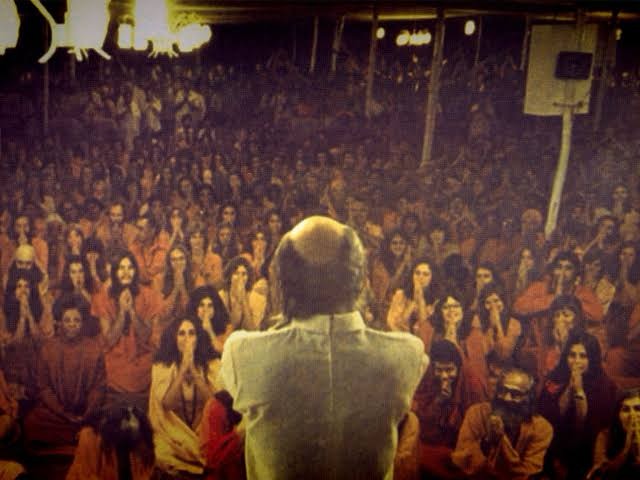
Attempted murder. Immigration fraud. A sex cult. Election tampering. The rumored act of grinding up live beavers in order to poison a town’s water supply?! No – it’s not a dystopian thriller coming to theaters near you. This thetrue story of the clash between Rashneeshees and citizens from the small town of Antelope, Oregon – a bizarrely compelling and terrifying moment in the state’s history that captured the nation.
Wild Wild Country covers one of the most outlandish and controversial times in Oregon’s, and possibly the United States’, history – the years when Bhagwan Shree Rashneesh and his dedicated followers took over the small town of Antelope. (The population hovered around 100 at one point, and is counted at 48 as of 2016.) What followed was an epic struggle as the supposedly peaceful religious cult/sect clashed with conservative ranchers over land use that escalated into accusations of immigration fraud, bioterrorism, attempted murder, and much, much more.
The epic, twisted tale has been deftly distilled into a six-part docuseries (currently available exclusively on Netflix) by directors Chapman and Maclain Way. The brothers’ first foray into documentary filmmaking was the well-regarded The Battered Bastards of Baseball – another Oregon-based tale about the wild and wooly team of the 1970’s Portland Mavericks. To say that Wild Wild Country is a stunning follow-up is an understatement. The episodes (produced by another adored brother team, Mark and Jay Duplass) are wall to wall bonkers, thanks in large part to, of all things, The Oregon Historical Society. The break came to the brothers, who were following up on their Battered Bastards footage, when a historical society employee mentioned they had hundreds of hours of tape on the Rashneesh debacle and proceeded to fill them in on the crazy event.
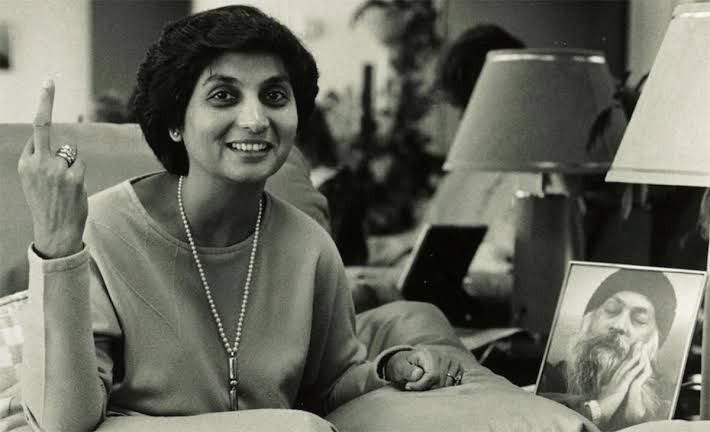
Chapman and Maclain were quick to realize they had a goldmine of unprecedented footage on their hands and moved forward in researching the story that bloomed into this exceptional project.The Rajneesh culture did not start out as evil. Bhagwan (later known as Osho) was a fairly well-regarded spiritual leader in India until he ultimately wore out his welcome and began to search for a new home in which to teach his followers (sannyasins). He put his trusted secretary, Ma Anand Sheela, on the task and, after an exhaustive search of America, she set upon a remote parcel of land outside of Antelope, Oregon. It was there that Sheela guided a massive expedition, creating a self-sufficient dwelling out of the former desert land.
To understand the scope of this, know that the landscape was basically uninhabitable and the Rajneeshees transformed it into a small city that included their own sewer system, electricity, clothing store, and sustainable farming area. They even managed to build their own river – a Herculean task driven by the strong desire to cohabit as a family in the wilderness. It could’ve been a modern guide of how to live in harmony with nature, had it not fallen into complete disarray.
Bhagwan arrived at the intentional community, named Rajneeshpuram, in the 1980’s as it was nearing completion, to the elation of his hardworking sannyasins. They proceeded to exalt in his teachings – a blend of Buddhism, meditation, prayer, primal scream therapy, and lots of free love. Trouble began when the citizens of Antelope grew concerned, then alarmed, over the perceived goings-on with their new neighbors. Calls to government officials largely went ignored until their cause caught the eye of Nike cofounder Bill Bowerman, State Attorney General Dave Frohnmayer, and, ultimately the FBI.
1000 Friends of Oregon is, ironically, what inadvertently activated a cavalcade of terror. The goal of the do-good group, founded by Bowerman, was to set a precedent for land use rights in order to protect the state they loved. They took aim at Rajneeshpuram, hoping to quell the ever expanding sect’s hold on the property. What they didn’t count on was Sheela – Bhagwan’s personal bulldog, who would stop at nothing to protect their charges. Sheela realized they needed to legitimize their community and set her sights on taking over Antelope, a small hamlet already recognized by the state. She succeeded, but didn’t stop there and set out to rule Wasco County. Despite the Rajneesh mission statement, their tactics were far from peaceful. The disciples carried out harassment of Antelope citizens, as well as the largest bioterrorist attack in U.S. history, with the food poisoning of 700+ citizens in The Dalles (located in Wasco County) in an attempt to secure a hotly-debated election. (This is not to say that the Antelope people were wholly innocent, as they engaged in their own forms of harassment. Tensions ran high on both sides, and the film does a fantastic job of presenting a balanced perspective of the Rajneeshees and Oregonians.)
Sheela emerges as one of the story’s most compelling characters. (As a woman, I was blown away to see such a driven female helm such a massive undertaking. As a person, I was overwhelmed watching a genius and possible stone-cold sociopath.) When Bhagwan takes a years-long vow of silence, it is Sheela that leads in his stead. It’s safe to say this is as much her story as his. Thanks to the astounding amount of original footage, the viewer is treated to both past and present Sheela – with hours of action during her reign at Rajneeshpuram combined with the subdued elderly lady who now resides in Switzerland and runs a home for the elderly and mentally disabled. (Bhagwan/Osho passed in 1990, but his dedicated lawyer, Swami Prem Niren, is also interviewed at length by the Way brothers and provides additional insight into what made the leader tick.)
Things ultimately devolve to the point of chaos, with Sheela and a close group of confidents fleeing the commune in broad daylight, to the rage of Bhagwan. It is here where he breaks his silence – not to comfort his distressed followers, but to exact revenge on Sheela. And it’s this hubris that is his ultimate downfall, for in trying to get his former secretary convicted of numerous crimes, he unwittingly opens the doors of his haven to the FBI and is eventually forced to leave the country for it.
The layers of deceit, crime, sex, devotion, betrayal, love, and loss are worthy of a soap opera. The fact that it’s all truewill bend your mind. It’s impossible to cover the expanse of it here; just trust that it’s worth your time to learn about this astounding piece of history. Add this to your binge-watch list asap.
The show is sharper and better as it returns after 5 years, sticking to its combination of a police procedural, the inner lives of its denizens, and compulsions of the outer world.
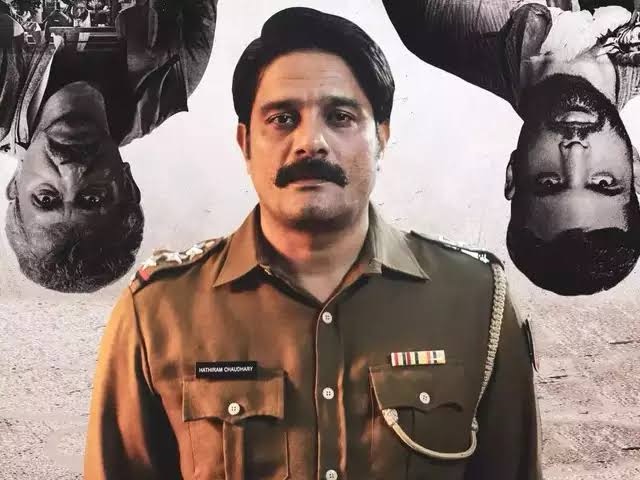
When Hathi Ram Chaudhary says in his world-weary manner, ‘hum toh paatal lok ke permanent niwasi hain’, he’s not just addressing a character in the series. He’s plunging us into the nether-world again, and we dive right in, willingly.In the five years that have passed in the physical world, many things have changed, but many have remained the same. I’m happy to report that Paatal Lok redux, which sticks to its combination of a police procedural, the inner lives of its denizens, and compulsions of the outer world, is sharper and better.
The setting of Paatal Lok Season 2 is completely different. Both Imran Ansari (Ishwak Singh), who is now an Assistant Commissioner of Police tasked with looking into the sensational murder of a prominent and mysterious Nagaland businessman-politician, and Inspector Hathi Ram Chaudhary (Jaideep Ahlawat), who is jaded but as strong-willed as ever, venture deeply into a region of India they know little about.
Hathi Ram, who is still detained in the Outer Jamuna Paar police station, is brought on board by ACP Ansari because a missing person case she is working on seems to be related to the broader murder investigation. When the two arrive in Dimapur, they are immediately thrust into a whirlwind of difficulties that will test their abilities to the limit.
The delicate outing involves more than just identifying the offender. It also entails understanding and processing the complexities and quirks of a culture, society, and history that are very different from those they are used to.
With the help of co-writers Abhishek Banerjee (Season 1’s “Hathoda” Tyagi), Rahul Kanojia, and Tamal Sen, creator Sudip Sharma and director-cinematographer Avinash Arun Dhaware skillfully incorporate the discovery of Nagaland and its complications by two outsiders into the action-packed, gripping police procedural that eventually devolves into a can of worms that is just waiting to be disemboweled.
A number of questions concerning skewed development models developed behind closed doors by a small group of people with competing interests are raised by the brutal murder of Jonathan Thom (Kaguirong Gonmei), founder of the Nagaland Democratic Forum and the key to a proposed business summit in Delhi that promises to bring thousands of crores of rupees into the northeastern state.
A connection to the past is provided by Hathi Ram, Ansari, and a few other significant figures, such as the former’s former SHO Virk (Anurag Arora), who is currently working with the Delhi Police Narcotics cell, and his wife Renu (Gul Panag), who is occupied with caring for an orphaned five-year-old kid.
But the case the shady inspector works on, initially in response to a specific directive from superiors and subsequently out of pure personal interest, is completely unrelated to the conspiracy he uncovered the last time without receiving any formal recognition for it. The plot develops as a clear break from the previous season rather than as a continuation of it.
The show’s substance and spirit are significantly impacted by the shift in place and, to some extent, personnel. Tillotama Shome plays Kohima Superintendent of Police Meghna Barua, a notable addition.
One may argue that Season 2 lacks the social breadth and psychological jolt of a stuck-in-a-rut policeman’s confrontation with the intersection of Delhi’s dark netherworld, populated by men and women with little to lose, and its influential swish set. However, the Nagaland chapter, which was skillfully and effectively written, is by no means weak. Entering a place that is rarely, if ever, accurately and sympathetically portrayed by Hindi film and television producers is a risk worth taking. It’s worthwhile.
There is enough space in the script for a wide range of significant and supporting characters who round out the twisted image created by a governmental system and law enforcement apparatus that suppresses individuality, splits families, deprives children of hope, and leaves them fuming with rage.
Asenla Thom (Rozelle Mero), Jonathan’s conflicted widow; Grace Reddy (Theyie Keditsu), wife of the extremely ambitious special adviser to the government Kapil Reddy (Nagesh Kukunoor); Esther Shipong (Mengu Suokhrie), supervisor at a rehabilitation center; and Rose Lizo (Merenla Insong), enmeshed in a cycle of tumultuous relationships, blatant exploitation, and drug addiction, are all destined to pay for the transgressions of men.
Then there are the guys themselves, under the leadership of Reddy, a driven Hyderabadi who has settled in Nagaland. The focus is also on Reuben (LC Sekhose), the violent and obstinate son of the deceased Jonathan.
The murder of a Naga politician and the abduction of a Bihari migrant are two separate incidents that cross paths and bring Hathi Ram and Ansari together. The two problems are difficult to resolve and have a negative impact on Hathi Ram’s important lives. He is compelled to disregard caution because he feels guilty.
Inspector Hathi Ram Chaudhary thoroughly engrosses Jaideep Ahlawat, making it impossible to distinguish between the actor and the role.
Once again, Ishwak Singh gives an outstanding performance. Although Tillotama Shome’s character is rather underwritten, it doesn’t stop her in the least.
The cast members who are selected from the Northeast are Paatal Lok Season 2’s greatest asset. They enable the performance to smoothly blend several languages, including Assamese, Nagamese, Hindi, and English, adding diversity and authenticity.
They make the story come to life and give the unsettling, universally relatable drama of retaliation and self-aggrandizement more color and nuance.
The new season has to put every little aspect and component into service to meet the high standards set in Paatal Lok. It’s a marvel in and of itself that the squad comes so close to reproducing the caliber of the first season.
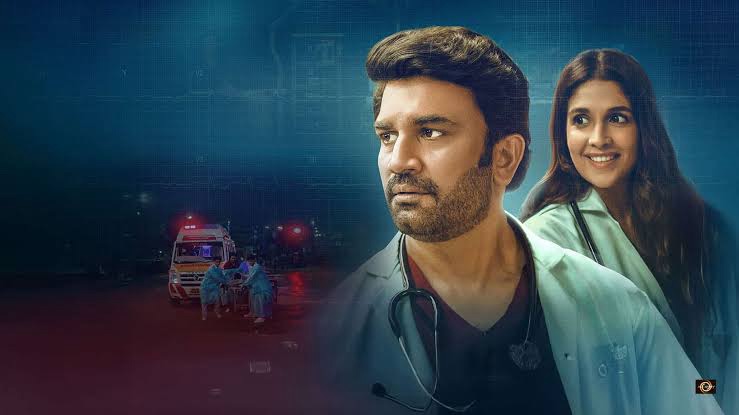
Doctors: A heartwarming, unfiltered glimpse into the lives behind white coats.
The opening two-fold sequence of the show Doctors, sets the tone of the drama to follow. It does a quick round of introductions with respect to its characters in a partly scattered form that felt like a checklist – the rebellious one with a septum, the topper of a batch, a rags to riches candidate and one with a vengeance. This introduction is briefly cut short in the wake of first of the many ‘Emergencies’ that you witness with a typical setting of an ambulance rushing to the characters (who are doctors) being assigned duties. As a parallel, the focus remains on Nitya (Harleen Sethi) who has entered the fray by taking up duties at the hospital to avenge the state of her brother Dhaval (Aamir Ali) who has been suffering from a bout of negligence caused by Dr. Ishaan (Sharad Kelkar). This, even as you witness the former dilligently participating in various chores while showcasing her vulnerability, both with respect to her hidden quest and her current situation of a string of medical emergencies that she is a part of.
The tropes of the medical drama are familiar but understated while resorting to a string of issues that it wishes to address through its characters. For instance, you witness a character suffering from bouts of anxiety that force her to consume pills thereby affecting her health. Elsewhere, you are privy to a character undergoing a nervous mental breakdown after being suspended for a bout of negligence that was actually committed by his peer. These are brief moments that are successful in highlighting the kind of work pressures that the characters are subjected to – one of it also being the sense of detachment that is a part of the occupational hazard even as you witness a bunch of characters inquiring about the time of death rather nonchalantly at various junctures in the screenplay, even as the ‘freshers’ find it hard to move on.
The proceedings are sincere and earnest while mixing intensity with precaution, two key ingredients of the drama with respect to its two parallel plot points – the ones involving the jazzy medical procedurals which are performed at various instances is met with the right kinds of intensities, while the budding love stories are met with caution and an underlying layer of warmth and sincerity. The latter is true for a bunch of characters that simultaneously adds to the complexity of the drama with respect to the character dynamics – Nitya falls for Ishan who is engaged to Dr. Lekha, much to the dismay of her brother who has also been an ex of Dr. Lekha, you get the gist. But the flesh of the drama is heavily constructed by the individual episodic elements with the lens of morality that is blurred with respect to a few issues thereby layering its drama – in a scene you see a character pleading for euthanasia, in another, you see a couple of characters being pleaded to use their brain-dead son’s organs in another procedure involving a different set of characters. Much of the episodes transpire in the background with respect to the resolution, with the lens of the doctors acting as a fulcrum for showcasing parts that are only relevant to them.
The writing here is committed to approach the situations with an understated approach while immersing itself within the four walls of the hospital which in turn might feel slightly repetitive while familiarizing the viewers with the mundane lives of its characters. Having said that, I would have liked a little more purpose in its writing that at times flattens out some key conflicts with some cliched solutions that collectively make the drama predictable. For instance, a character trying to resolve an existing feud on her death bed did come across as a little cliched, even as the extent of the bitter feud remained an unchartered territory (you only get a little glimpse through a character common to both parties). Likewise, the middle ground between a few character dynamics remains the missing link – a couple of character indulging in a rebound come to terms with it pretty soon. Yet, it can’t be denied that the writing focuses on the vibes between characters that in turn results in some heartfelt emotions along the way. The transition between an operated virtual simulation to the actual one was an arc in itself that did make for a heartwarming watch.
Overall, its a feel-good and the screenplay is a little scattered to begin with but does make amends as the drama unfolds.

























 Beyond the Cinema's